

Artículos
Chinácota: un destino que se descubre sin prisa
.webp)
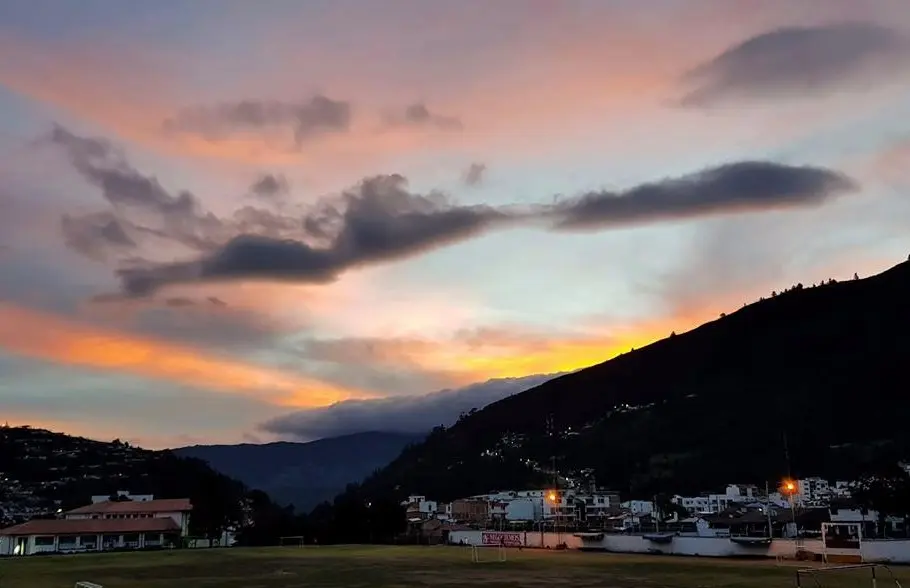
Hay lugares a los que uno llega con un plan claro. Con una lista mental de cosas por hacer, sitios por visitar, fotos por tomar. Lugares donde el tiempo parece medirse en actividades cumplidas.Y hay otros, como Chinácota, donde todo eso pierde un poco de sentido.
Porque aquí, más que seguir un itinerario, lo que realmente vale la pena es permitirse ir más despacio. Tal vez por eso, cuando alguien regresa de Chinácota, rara vez empieza diciendo todo lo que hizo. En cambio, habla de lo que sintió. De la tranquilidad, del clima, de lo diferente que se vive el tiempo allá arriba. Y es que desde el momento en que se llega, algo cambia.

.webp)
El aire es más fresco, sí, pero no es solo eso. Es como si el ruido se quedara atrás, como si el cuerpo entendiera, antes que la mente, que ya no tiene que ir tan rápido, ese primer momento, cuando uno se baja del carro y respira distinto, suele marcar el inicio de todo. A partir de ahí, los planes empiezan a perder rigidez, porque en Chinácota no hace falta buscar demasiado para encontrar algo que hacer. A veces, basta con salir a caminar sin un rumbo definido. Sin mapas, sin expectativas, sin la presión de “aprovechar el tiempo”.
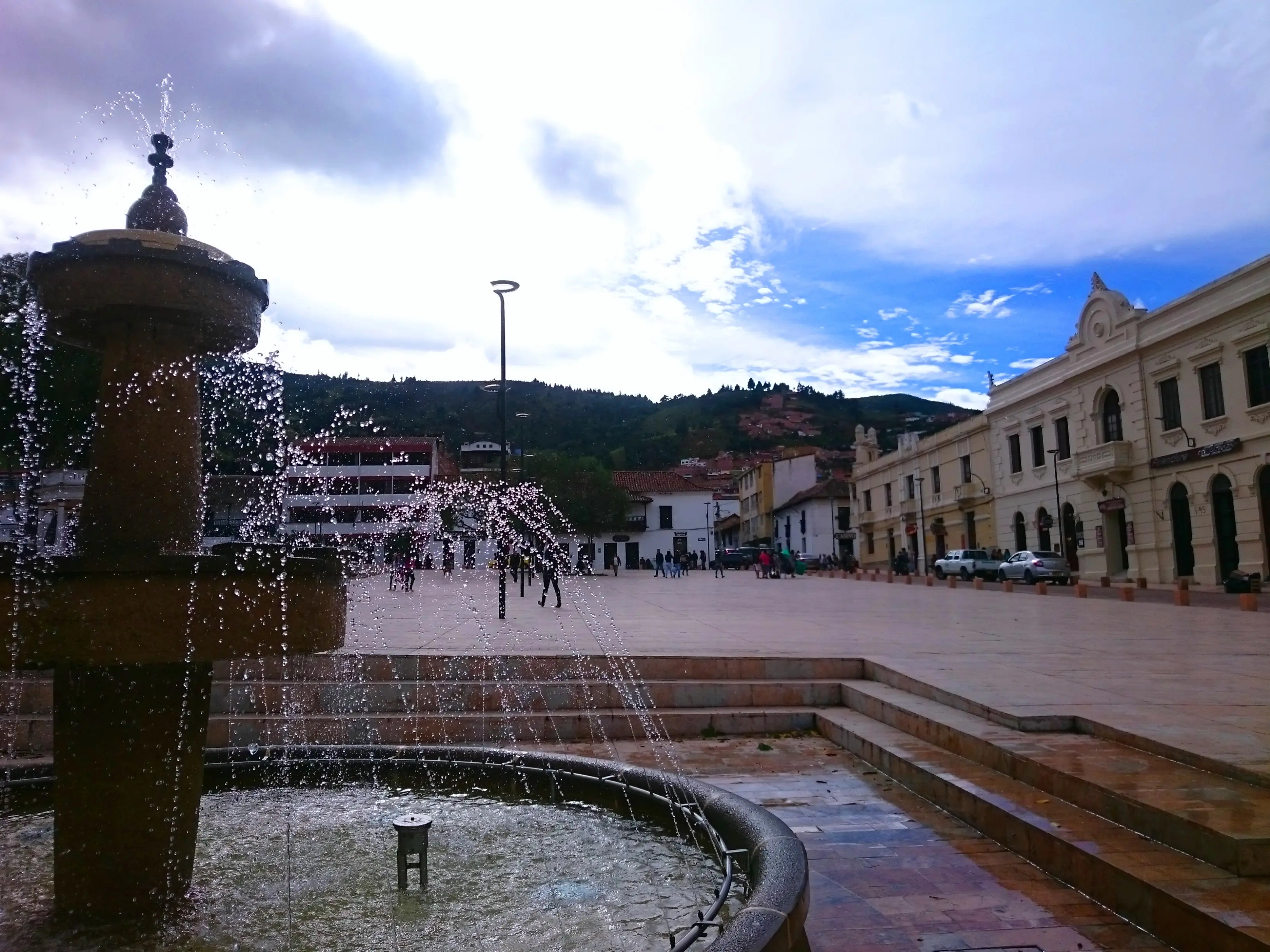
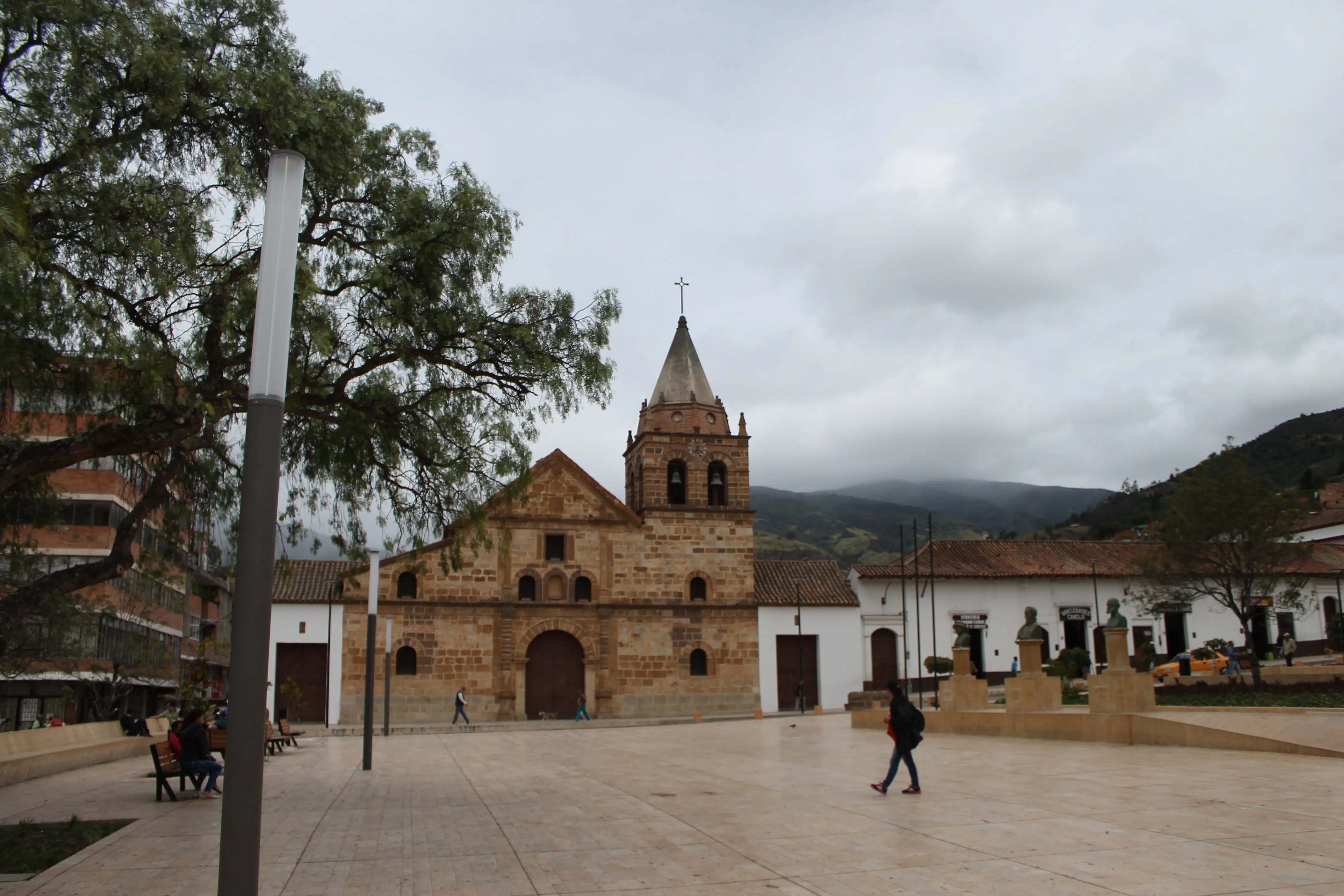
Caminar por sus calles tiene algo particular. No es solo moverse, es observar. Es notar detalles que normalmente pasarían desapercibidos: una fachada antigua, una tienda pequeña, el sonido lejano de una conversación, la calma con la que todo parece suceder, poco a poco uno se da cuenta de que no necesita mucho más y cuando ese ritmo empieza a sentirse natural, aparece otro de los grandes regalos del lugar: su entorno.
Chinácota está rodeado de verde, de montañas, de caminos, de aire limpio. Y no hace falta ser un aventurero ni planear una caminata exigente para disfrutarlo, a veces lo más valioso está en lo simple: elegir un sendero, caminar sin prisa, detenerse cuando el paisaje lo pide, respirar. Puede sonar básico, incluso obvio pero en la rutina diaria, pocas veces se hace de verdad. Aquí sí.
Y tal vez por eso, esos momentos, los más tranquilos, los más silenciosos, terminan siendo los más memorables. Con el paso de las horas, el cuerpo ya está en otra sintonía, más lento, más presente. Y es justo ahí cuando otros pequeños placeres empiezan a cobrar importancia, como la comida, por ejemplo. Porque en Chinácota, comer no es solo una necesidad. Es parte del plan, aunque no esté escrito. Es sentarse sin afán, mirar el menú con calma, conversar mientras llega el plato. Es probar, compartir, quedarse un rato más en la mesa sin sentir que hay que irse. No importa tanto qué se elige, sino cómo se vive ese momento y lo mismo pasa con algo tan sencillo como tomarse un café.
En la ciudad, es casi automático: rápido, de paso, entre una cosa y otra, aquí no. Aquí un café puede convertirse en una pausa real, en una excusa para detenerse, para mirar alrededor, para simplemente estar.
El clima ayuda, claro. Esa temperatura fresca que invita a quedarse un poco más. Pero también ayuda el hecho de que, por un momento, no hay prisa. Y es curioso cómo algo tan pequeño puede sentirse tan diferente, tal vez porque, sin darse cuenta, uno ya empezó a desconectarse, no de todo pero sí de lo suficiente. Del ruido constante, de la necesidad de revisar el celular cada cinco minutos, de la sensación de que siempre hay algo pendiente. En Chinácota, esa urgencia empieza a diluirse, no desaparece del todo, pero se vuelve menos importante.
Entonces aparece algo que en la rutina suele escasear: el tiempo de verdad. Tiempo para una conversación larga. Para una caminata sin destino. Para no hacer nada sin culpa. Puede parecer poco, pero no lo es. De hecho, es ahí donde muchos descubren el verdadero valor del viaje, porque Chinácota no impresiona con grandes atracciones ni con planes extremos. No necesita hacerlo. Su fuerza está en otra parte. En lo que permite sentir. En la forma en que baja el ritmo sin forzarlo. En cómo convierte lo cotidiano en algo especial. Por eso, no hay una única forma de vivirlo.
Hay quienes prefieren explorar más, salir, recorrer y hay quienes simplemente quieren descansar, quedarse, disfrutar del silencio. Ambas formas funcionan, ambas tienen sentido aquí. Pero hay algo que influye más de lo que parece en esa experiencia: el lugar donde decides quedarte, porque cuando el plan es desconectarse, descansar y disfrutar sin afán, el espacio importa. Un lugar cómodo, tranquilo, bien pensado, puede hacer que todo fluya mejor. Que el descanso sea real. Que el tiempo se sienta bien aprovechado, incluso cuando no se está “haciendo” nada.
En ese sentido, Chinácota ha empezado a transformarse, sin perder su esencia, han comenzado a aparecer espacios que entienden este tipo de viaje. Lugares que no buscan cambiar el ritmo del destino, sino acompañarlo.
Opciones pensadas para quienes valoran los detalles, la comodidad y esa sensación de estar exactamente donde quieren estar, y eso también hace parte de la experiencia.
Porque al final, un viaje no se construye solo con lo que se hace afuera, sino también con lo que se vive adentro. Con los momentos de pausa, con el descanso, con la forma en que empieza y termina cada día.
Chinácota tiene esa capacidad: la de adaptarse a quien lo visita sin perder lo que lo hace especial. No exige un plan. No impone una forma de recorrerlo. Solo propone algo distinto: bajar el ritmo. En un mundo donde todo parece ir cada vez más rápido, aunque suene simple, eso termina siendo un lujo.
Uno que vale la pena darse, al menos de vez en cuando.

HOTEL CARIONGO
Conoce Pamplona
¿Tienes dudas? o ¿quieres conocer más sobre el Hotel Cariongo y Pamplona?


Agosto para mirar Norte de Santander con otros ojos: experiencias que van más allá del destino
Cinco lugares de Pamplona y Chinácota que cambian según la hora del día
Detrás de una buena estadía: todo lo que sucede antes de que abras la puerta de tu habitación

Más que un lugar para dormir: el verdadero valor de una gran experiencia hotelera
¿Quién dijo que hay que esperar al fin de semana? Descubre Pamplona y Chinácota entre semana
Vacaciones de Mitad de Año: El Momento Perfecto para Escaparse a Pamplona y Chinácota
.webp)
La mamá cucuteña: una celebración que no cabe en un solo domingo
.webp)
Regalar tiempo: el mejor detalle para mamá este mes de mayo
Chinácota: un destino que se descubre sin prisa
Semana Santa en Pamplona: una tradición que se vive entre historia, fe y montaña
Mujeres que Viajan, Mujeres que Inspiran
Marzo: viajar también es una forma de celebrar a las mujeres
Febrero entre tradiciones: vivir Pamplona y Chinácota desde lo local
Escapadas de inicio de año: reconectar, descansar y respirar
Enero: el mes perfecto para empezar el año en calma entre montañas
Cerrar el año entre montañas: una forma distinta de vivir el 31 de diciembre en Norte de Santander
.webp)
Diciembre: el mes perfecto para detenerse y viajar con calma
24 de diciembre: una Navidad para vivir despacio entre montañas y tradiciones

Dónde pasar las mejores vacaciones en noviembre
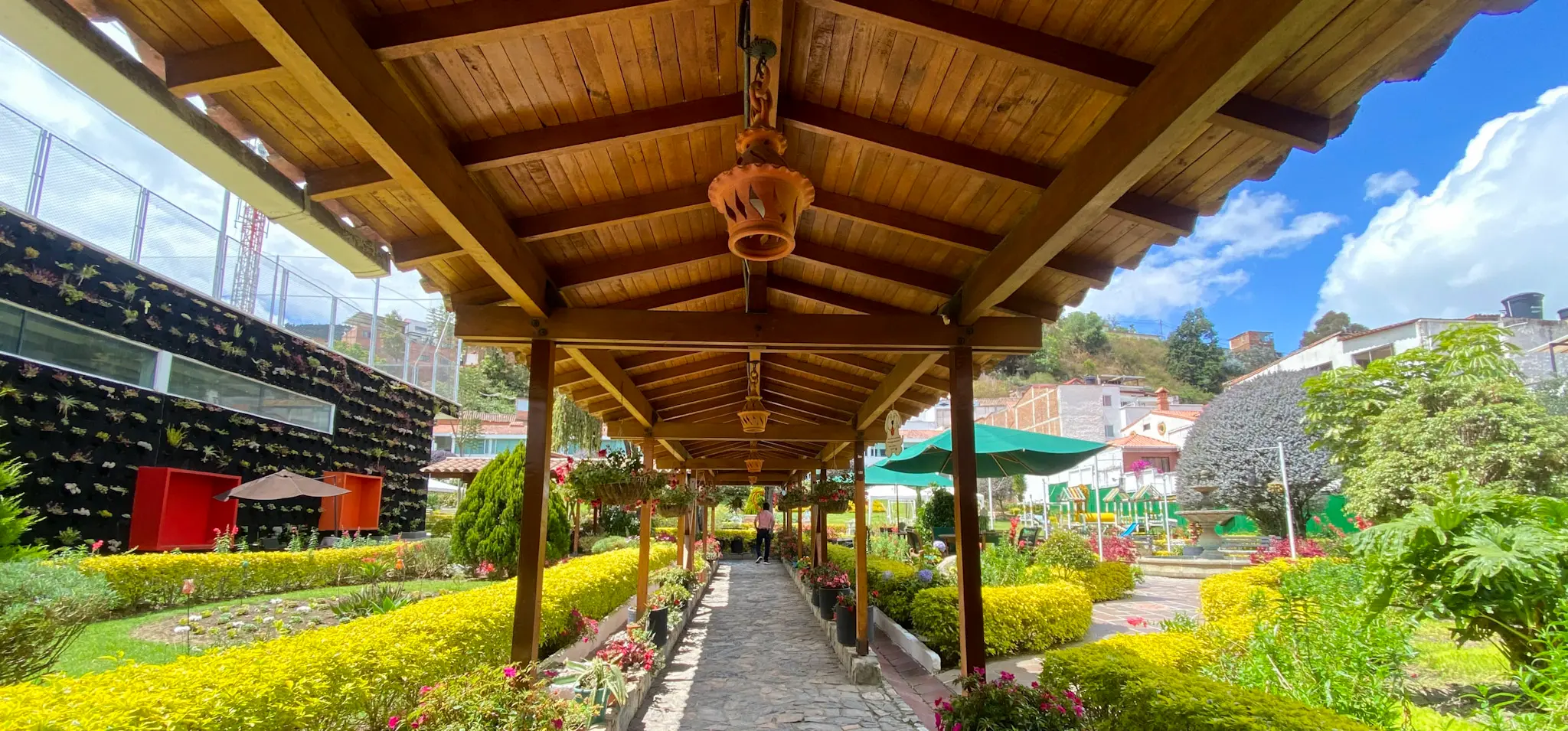
Entre montañas y brisa fresca: noviembre, el mes perfecto para desconectarse en Pamplona y Chinácota
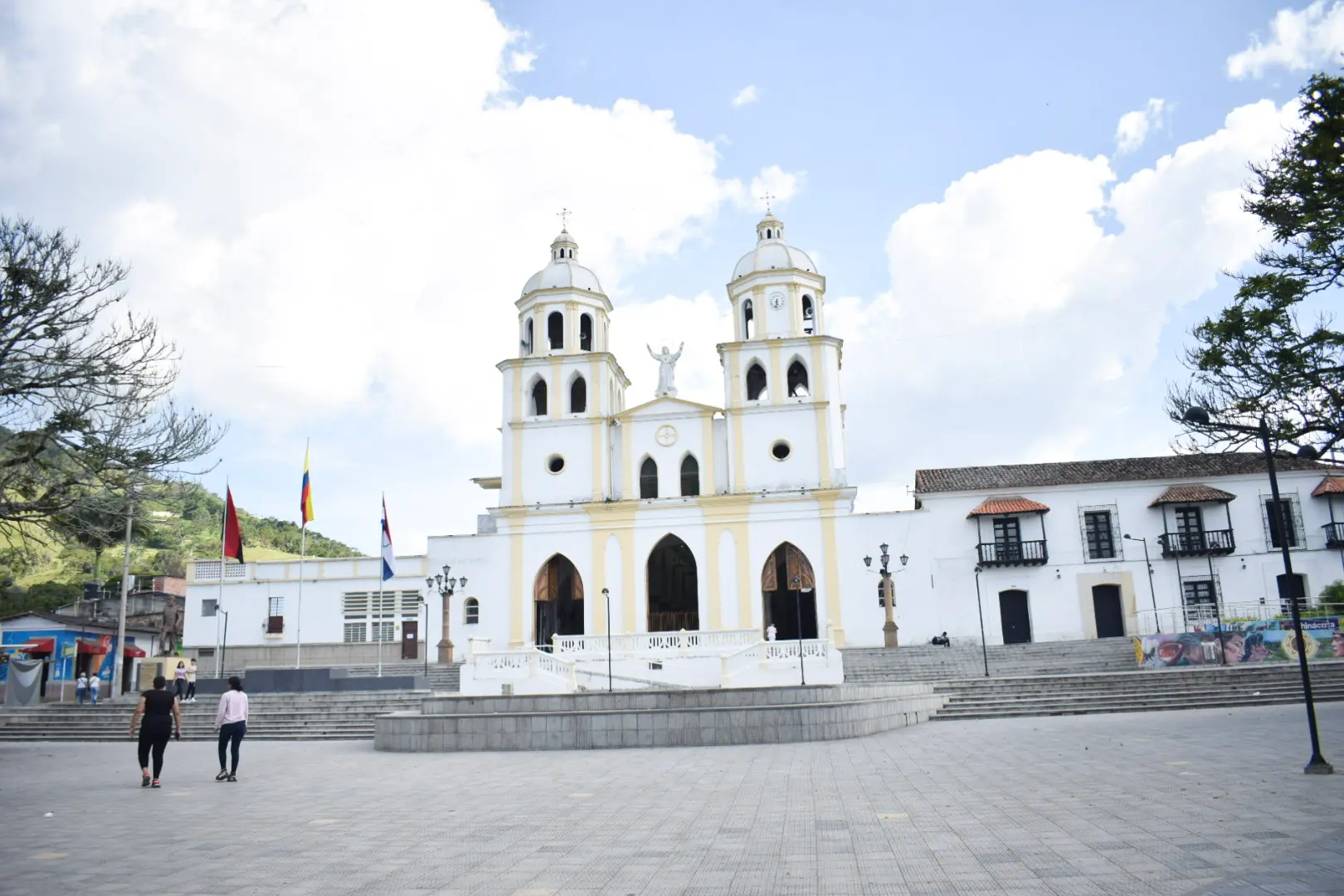
Rutas mágicas por Norte de Santander: turismo entre montañas, historia y tradición
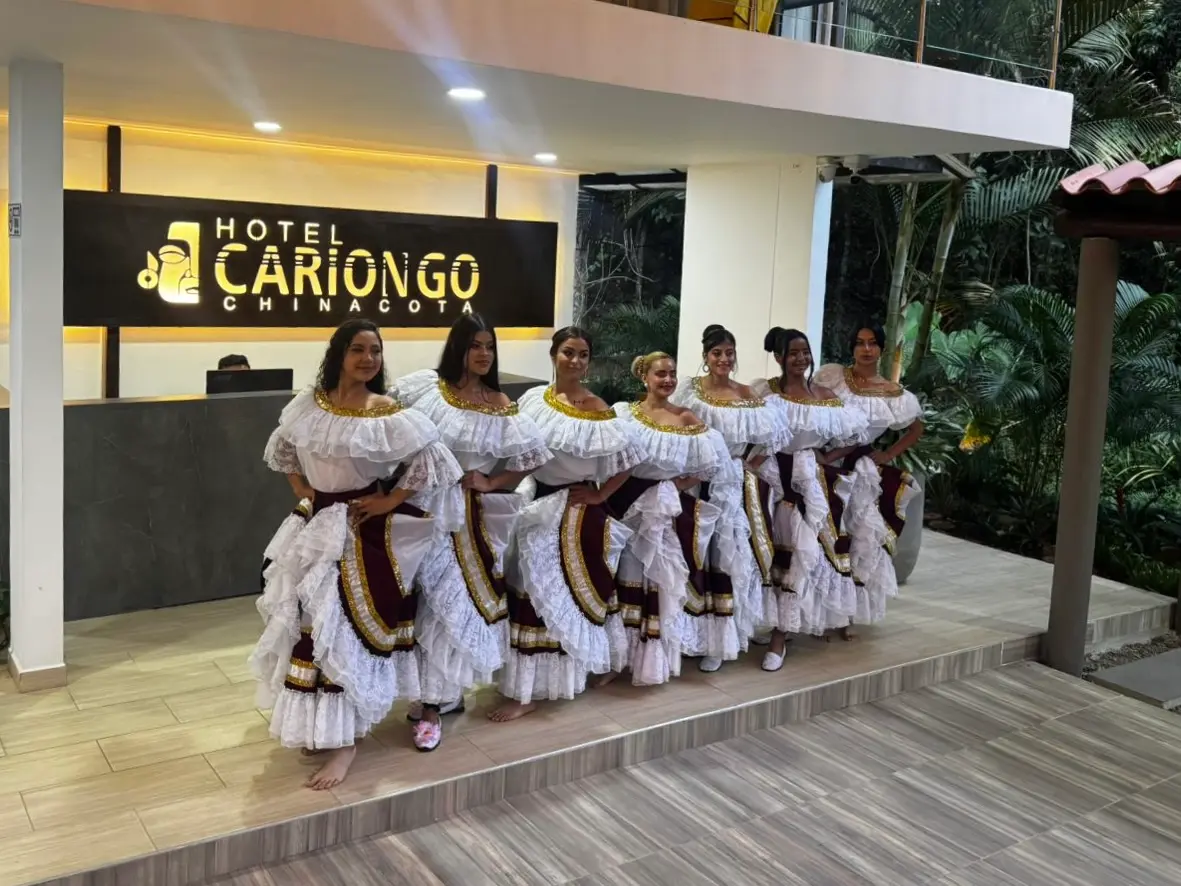
Leyendas y tradiciones de Norte de Santander: historias que viven en la montaña
.webp)
El patrimonio arquitectónico y cultural de Pamplona: historia viva en cada calle

Rutas naturales en Norte de Santander: entre montañas, ríos y paisajes únicos
%20(1).webp)
La gastronomía tradicional de Pamplona y Chinácota: un viaje de sabores
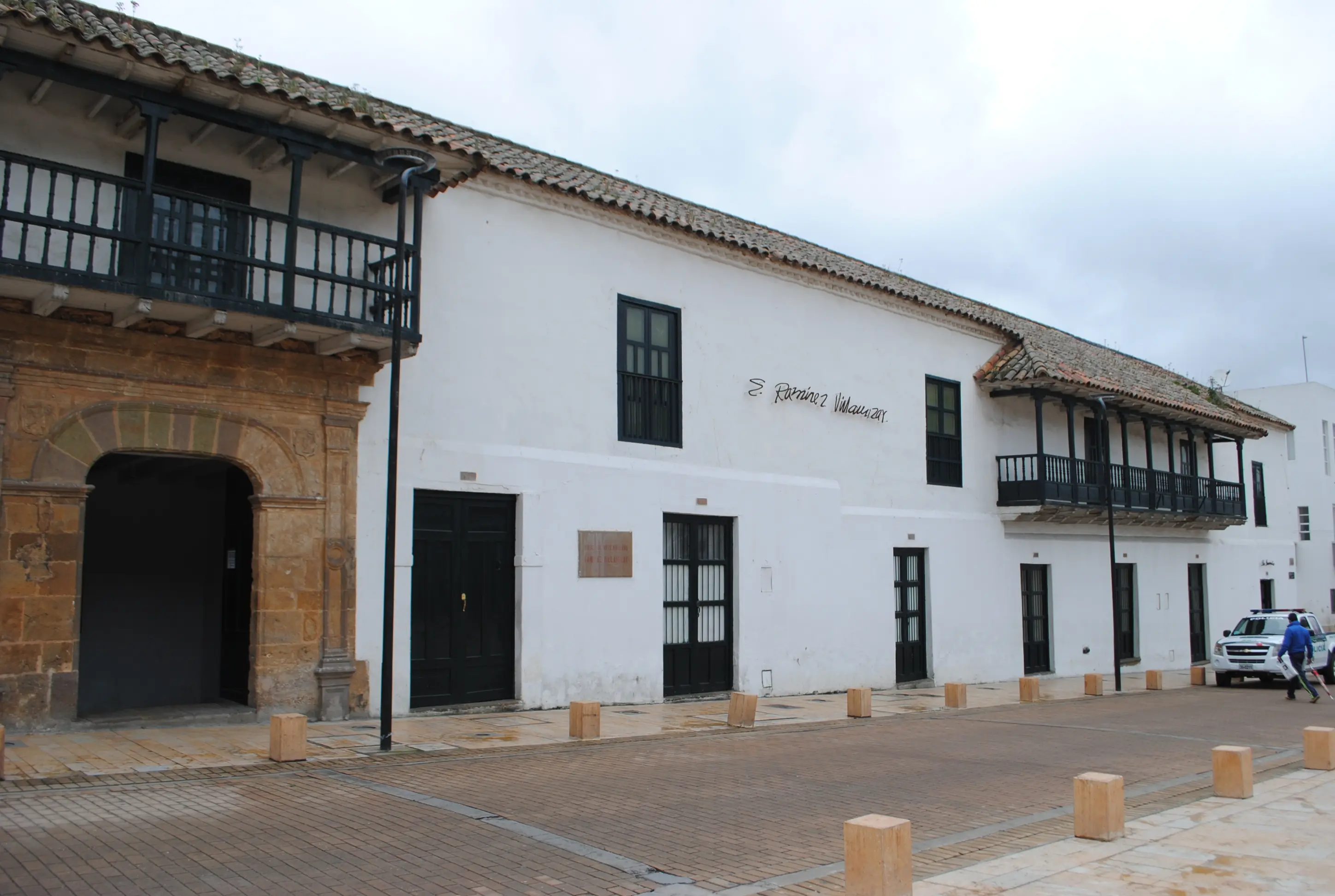
Pamplona y Chinácota: cuna de héroes y heroínas de la independencia
Camilo Daza: el visionario que llevó a Norte de Santander a conquistar el cielo
Reencuentros, tradición y sabor: así se vive el ambiente familiar en las montañas
Festivales que conectan: música, danza y encuentros en los pueblos nortesantandereanos

Julio de devoción y fiesta: la Virgen del Carmen en Norte de Santander
.webp)
Turismo cultural en Pamplona y Chinácota: descubre el alma de Norte de Santander desde el Hotel Cariongo
.webp)
Planes para disfrutar en pareja o en familia: escapadas inolvidables en Pamplona y Chinácota

Vacaciones de Mitad de Año: Relájate en familia entre montañas, sabores y tranquilidad

Sabores de Altura: Comida Pamplonesa y Celebración del Día de las Madres en el Hotel Cariongo

Ecoturismo en Pamplona y Chinácota: Naturaleza viva entre montañas con el Hotel Cariongo

Entre Montañas y Tradiciones: Semana Mayor, Pamplona 2025

Semana Santa en Pamplona

Descubre el Restaurante Chitarero

SEMANA SANTA EN PAMPLONA UN FESTIVAL DE EMOCIÓN Y TRADICIÓN

Semana Santa en Pamplona Patrimonio Cultural Inmaterial y de la Nación
ANATO COLOMBIA 2024

En Febrero, Pamplona Celebra el Amor con San Valentin

Turismo en Pamplona: Enero y febrero

Pamplona Calendario turístico 2024

Las Maravilla de Pamplona en Navidad
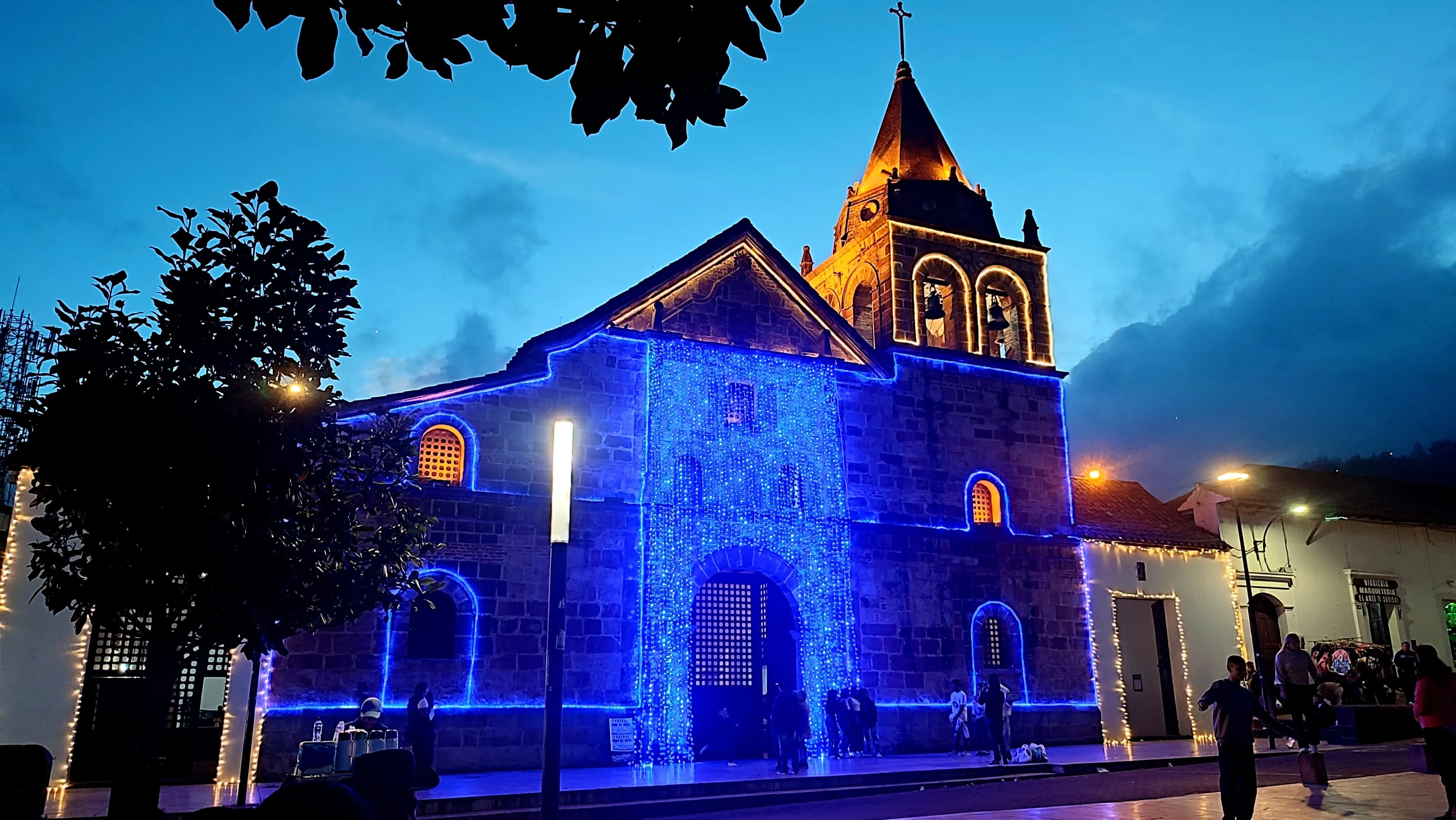
Turismo en Pamplona en navidad

Museo de Arte Moderno Eduardo Ramirez Villamizar en Pamplona

El Mejor Restaurante de Pamplona

Epicentro turístico de Colombia

Historias de Pamplona, nuestro pueblo épico

Zonas naturales y sabores Pamploneses

Semana Santa Infantil en Pamplona

Patrimonio Cultural inmaterial de la nación