

Articles
The architectural and cultural heritage of Pamplona: living history on every street
.webp)
Walking through Pamplona is like traveling back in time. Its cobblestone streets, colonial mansions, and centuries-old temples transform this city into a living museum where every corner tells a part of the history of Norte de Santander and Colombia. Founded in 1549, Pamplona was not only the setting for highly significant social, political, and religious events, but it also established an architectural heritage that today attracts travelers from all over the country.
More than just a tourist destination, Pamplona is a city that reflects the identity of a people who have managed to preserve their heritage without turning their backs on modernity. Its architecture, museums, plazas, and cultural life make this place a must-see for those seeking to immerse themselves in tradition and gain a firsthand understanding of the region’s historical legacy.
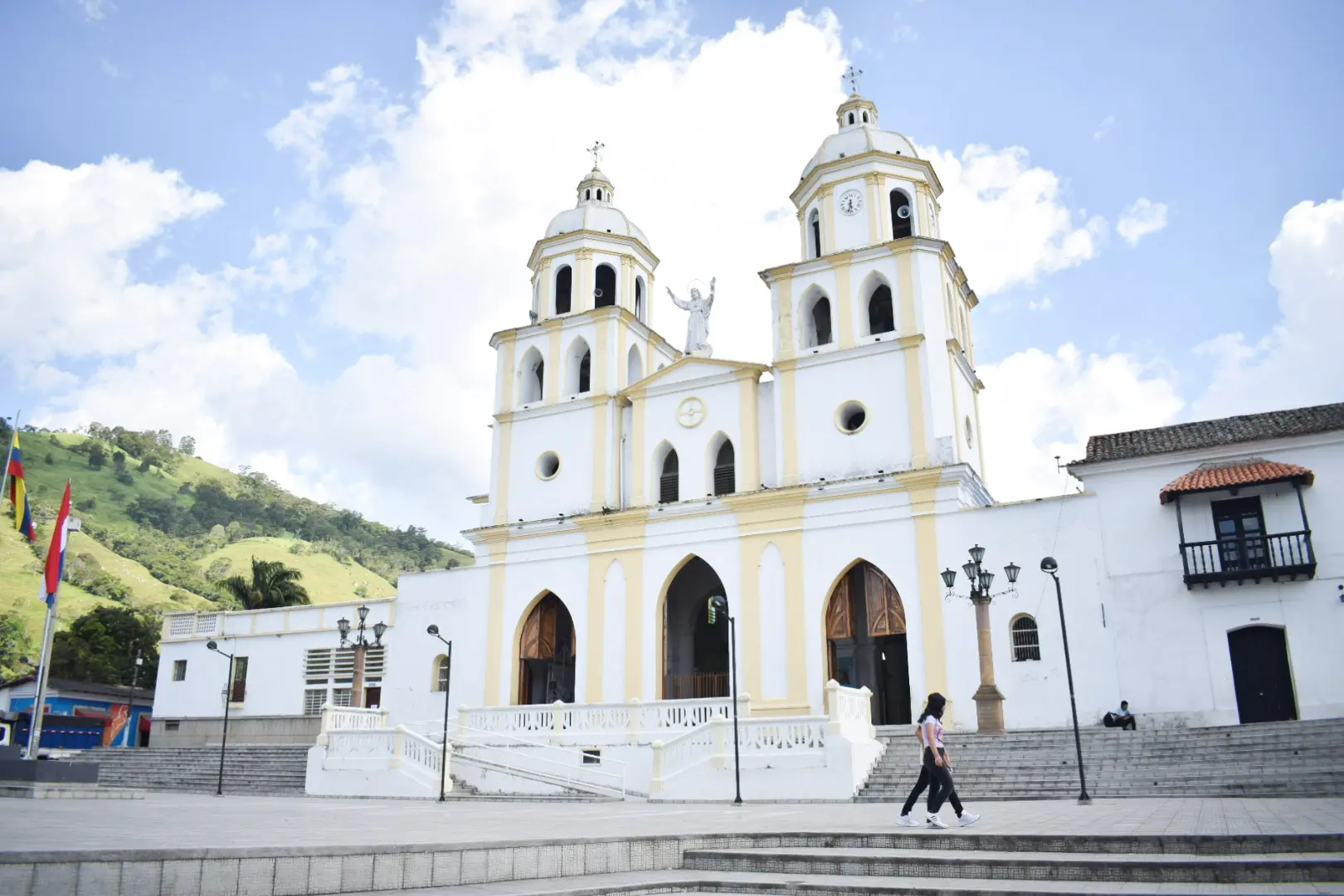

Churches and Temples: Traces of Faith and Art
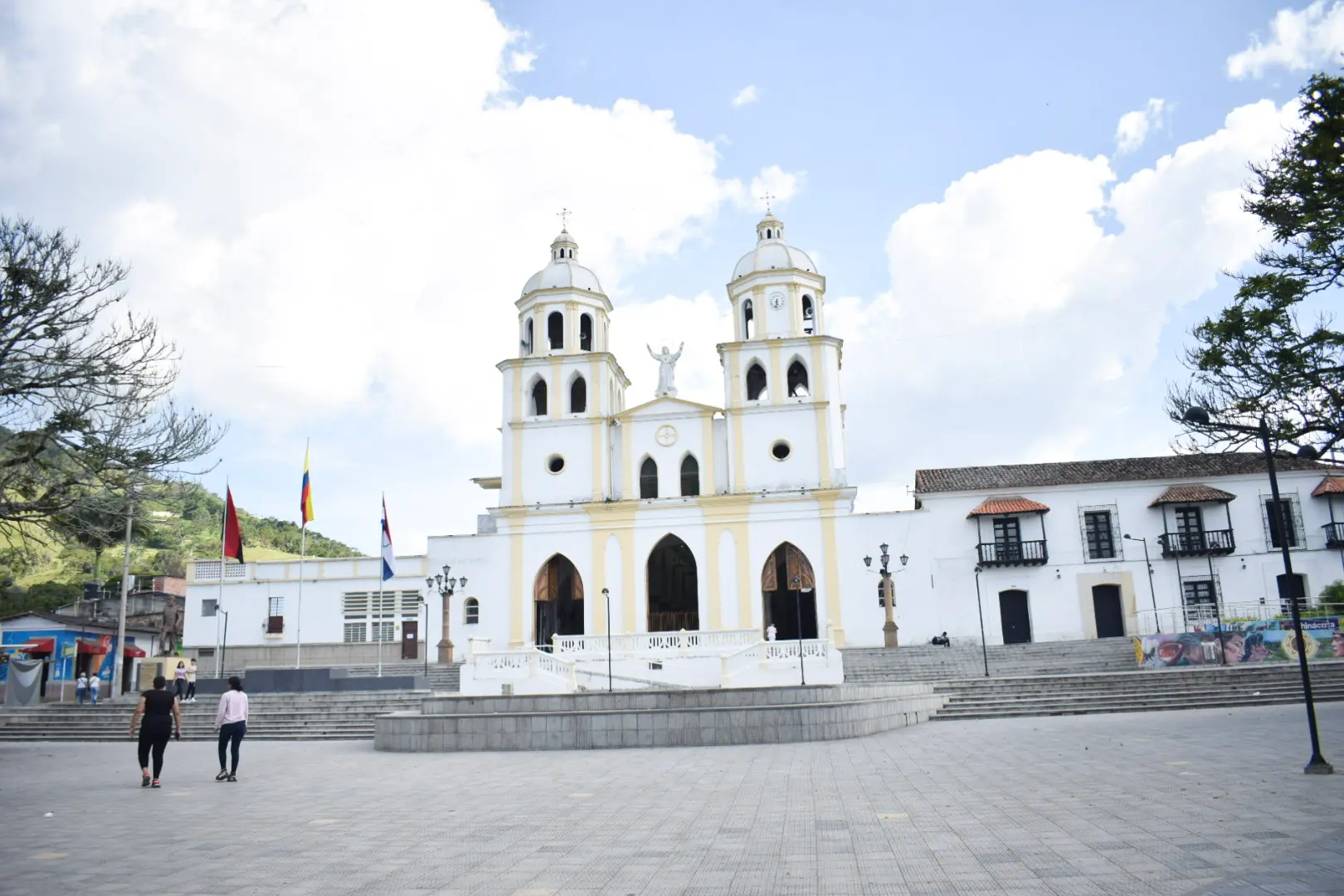
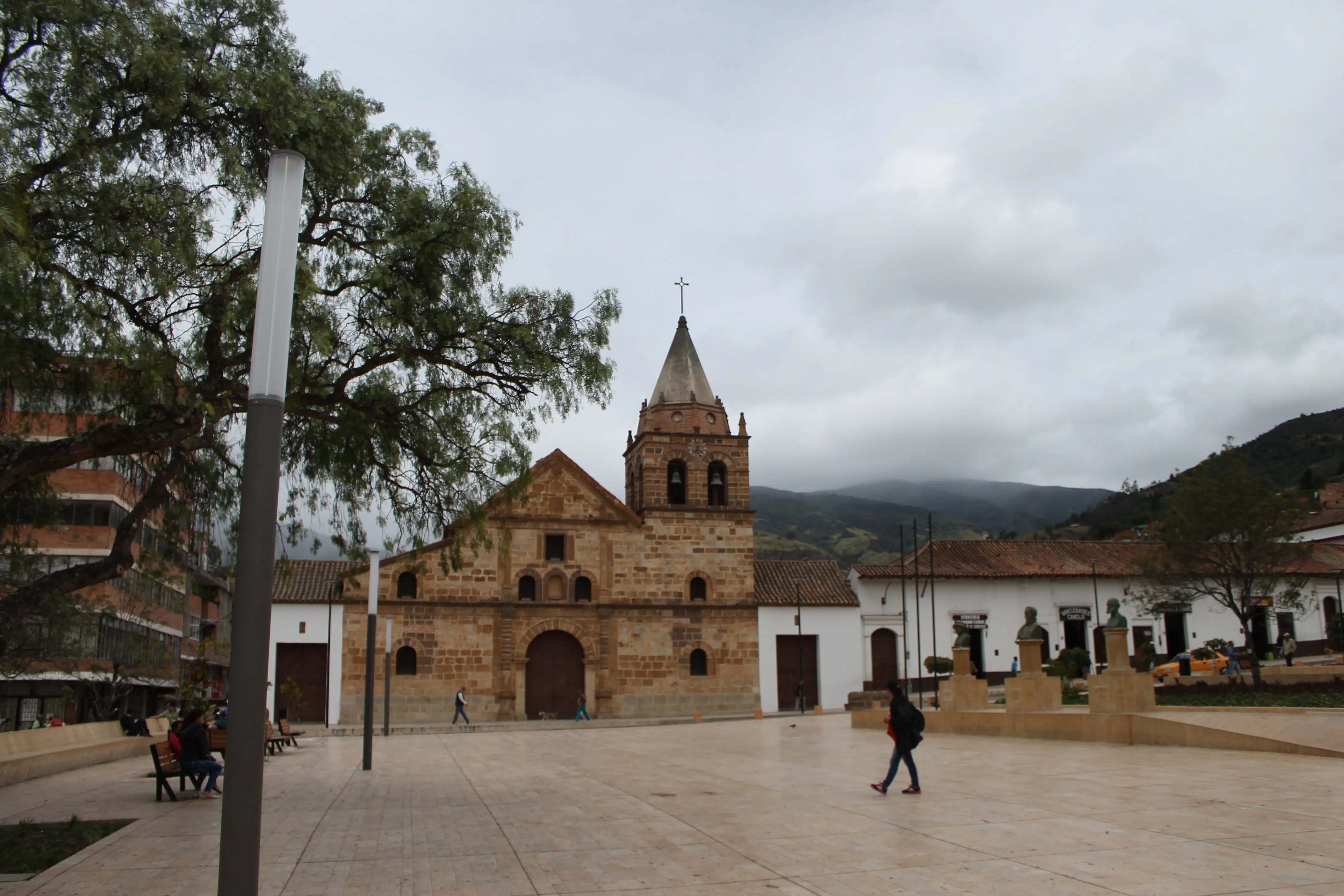
One of Pamplona's greatest attractions is its rich religious heritage, evident in the churches that stand imposingly throughout the city. The Santa Clara Cathedral, located in the heart of the historic center, is a symbol of the Catholic tradition that has shaped the life of the community. Its neoclassical architecture, stained-glass windows, and solemn atmosphere invite reflection, as well as admiration for its artistic beauty.
Another site of great importance is the Humilladero Sanctuary, a place that has been a site of pilgrimage and spiritual gathering for centuries. The simplicity of its construction contrasts with the symbolic significance it holds for the faithful and for the city's history.
Pamplona is also home to churches such as San José and El Carmen, each with its own architectural style and stories that are intertwined with the city's urban and social development.
Colonial Mansions: Memory in the Facades
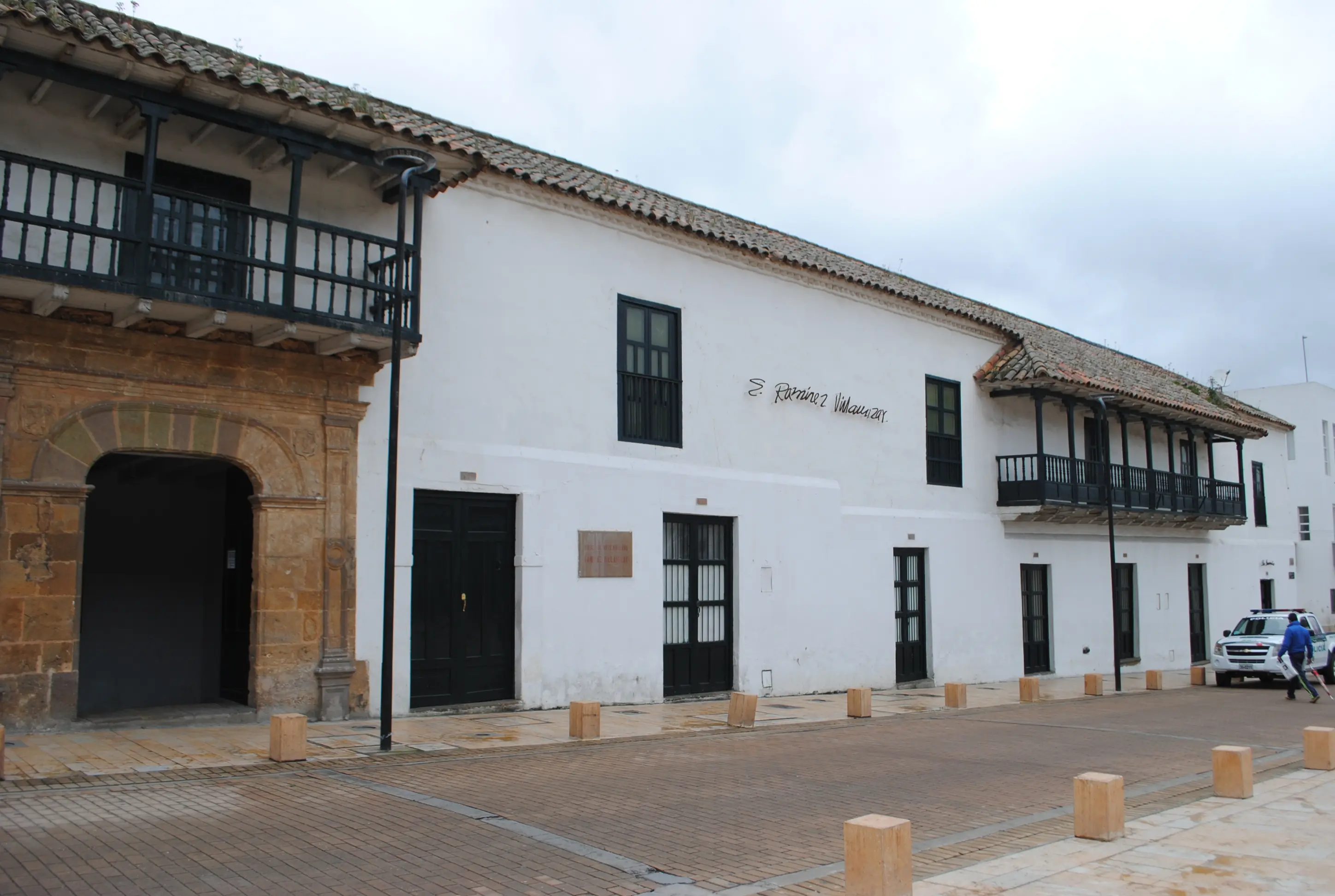
Pamplona's historic center is filled with mansions that preserve the essence of colonial architecture. Wooden balconies, clay-tile roofs, and grand doorways invite you to imagine what life was like in past centuries. Many of these homes have been restored to house cultural institutions, museums, restaurants, or academic spaces, without losing the essence that makes them part of the collective heritage.
Walking these streets means recognizing how architecture bears witness to the passage of time. Each facade tells a story, and together they form an urban landscape that gives the city its identity. For visitors, walking through the historic center is like opening a history book illustrated with walls, windows, and corridors.
Museums and cultural venues
Pamplona does not merely preserve its architecture; it also offers cultural venues that enrich the visitor's experience. The Ramírez Villamizar Museum of Modern Art is one of the most prominent in eastern Colombia, housing works that bridge tradition with contemporary artistic expression.
There is also the Archdiocesan Museum of Religious Art, where you can admire colonial artifacts, sculptures, and liturgical objects that tell the story of the region’s spiritual and cultural history. These spaces make Pamplona a city where tradition meets modernity, offering travelers a diverse and enriching experience.
Squares and streets that tell a story
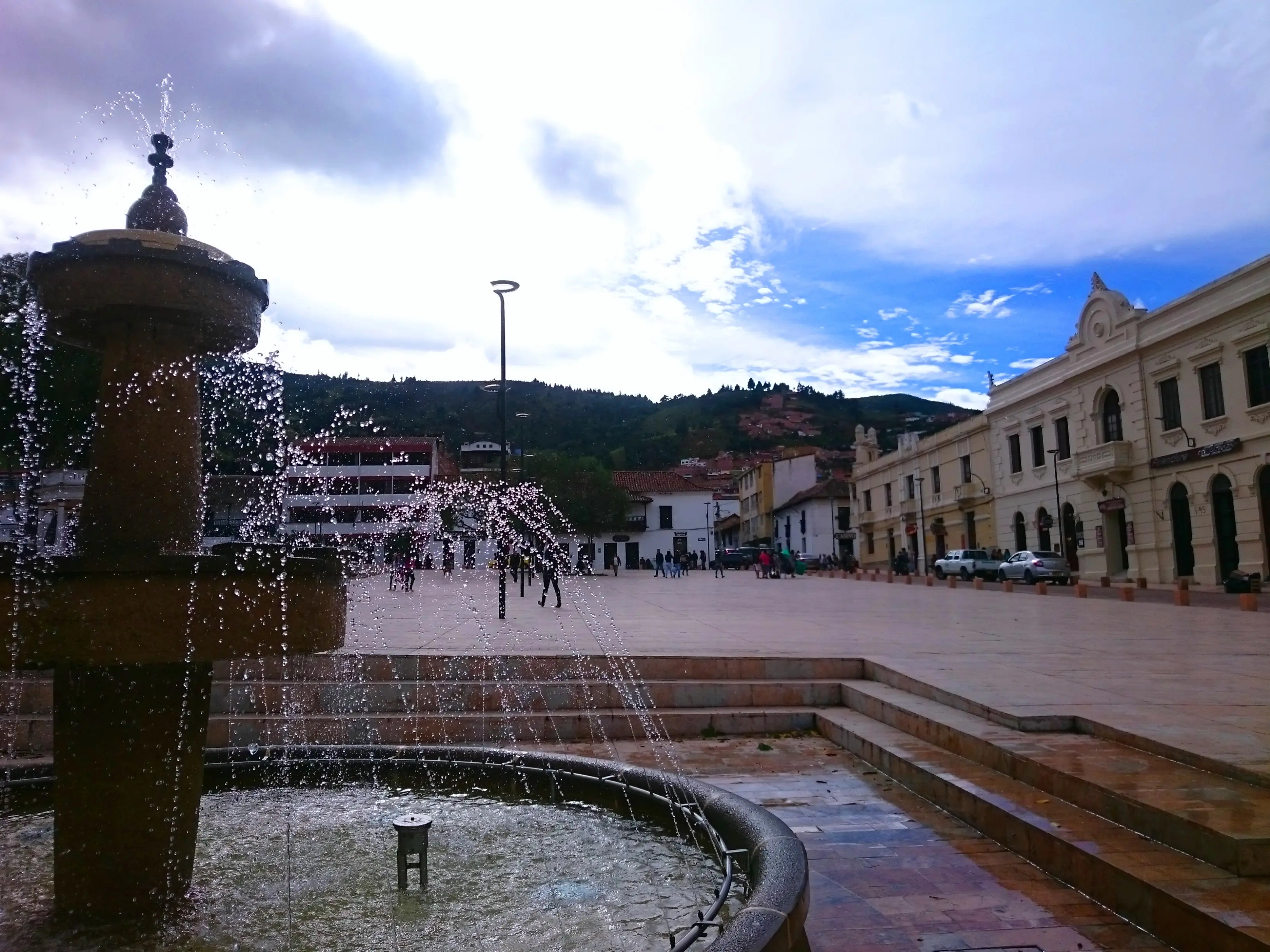
Bolívar Square is another of Pamplona's iconic landmarks. Surrounded by colonial buildings and the Cathedral, it is a place where history, daily life, and culture come together. It is a hub for events and social gatherings, where you can soak up the city's authentic atmosphere.
The streets surrounding the square, with their traditional shops, cafes, and grand houses, allow visitors to enjoy a leisurely stroll where every corner offers a detail worth photographing and remembering.
Traditions That Live On
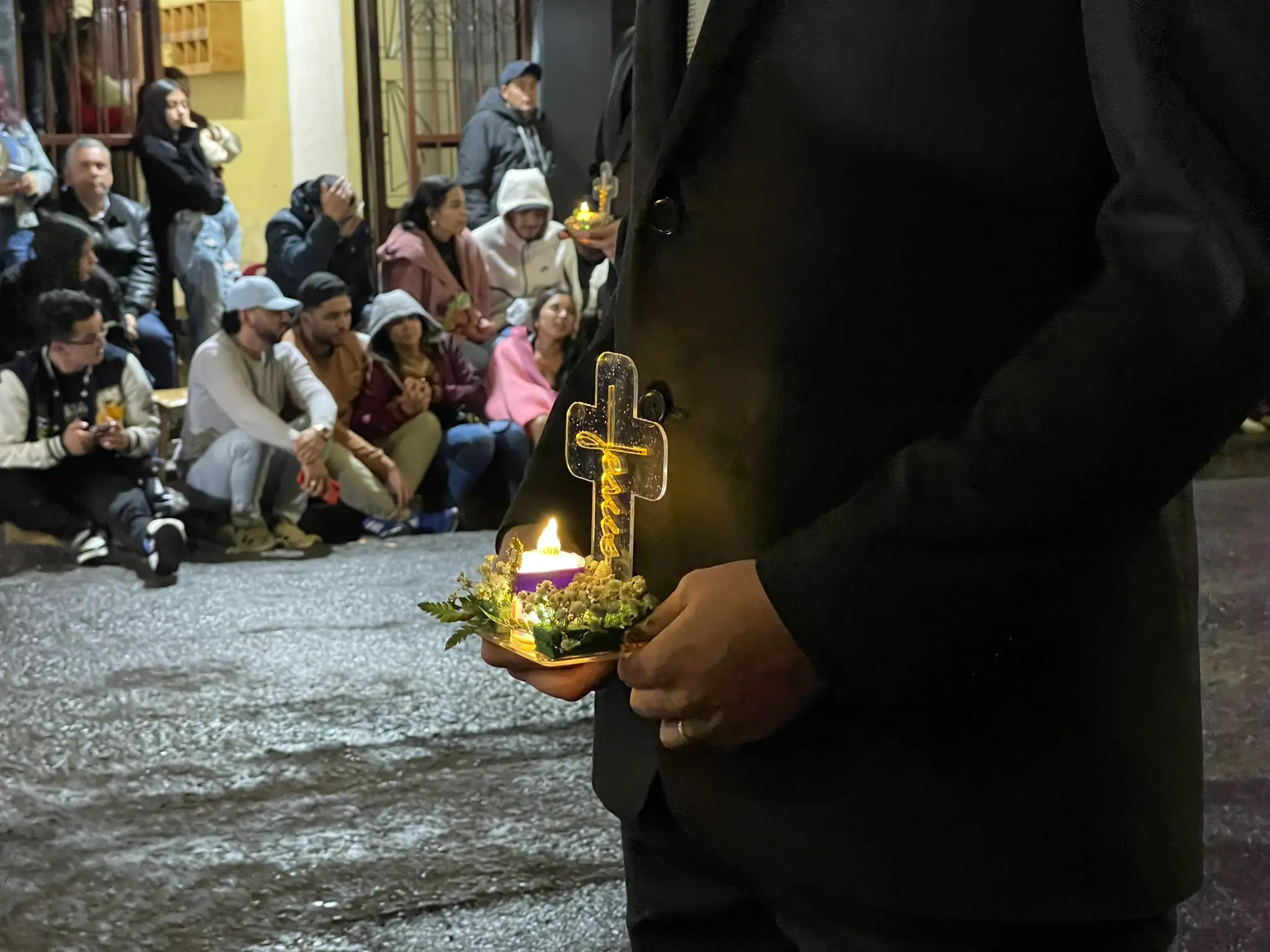
Pamplona's cultural heritage is not limited to physical structures. Its festivals, processions, and religious celebrations are part of an intangible legacy that brings the city to life. Holy Week, renowned for its solemnity and organization, attracts thousands of visitors each year, making it one of the most significant expressions of faith in the country.
Furthermore, the music, cuisine, and oral traditions complement this living heritage, making a visit to Pamplona much more than just a visual experience: it is an encounter with the identity of a people who continue to cherish their roots.
Hotel Cariongo: Experiencing History Up Close
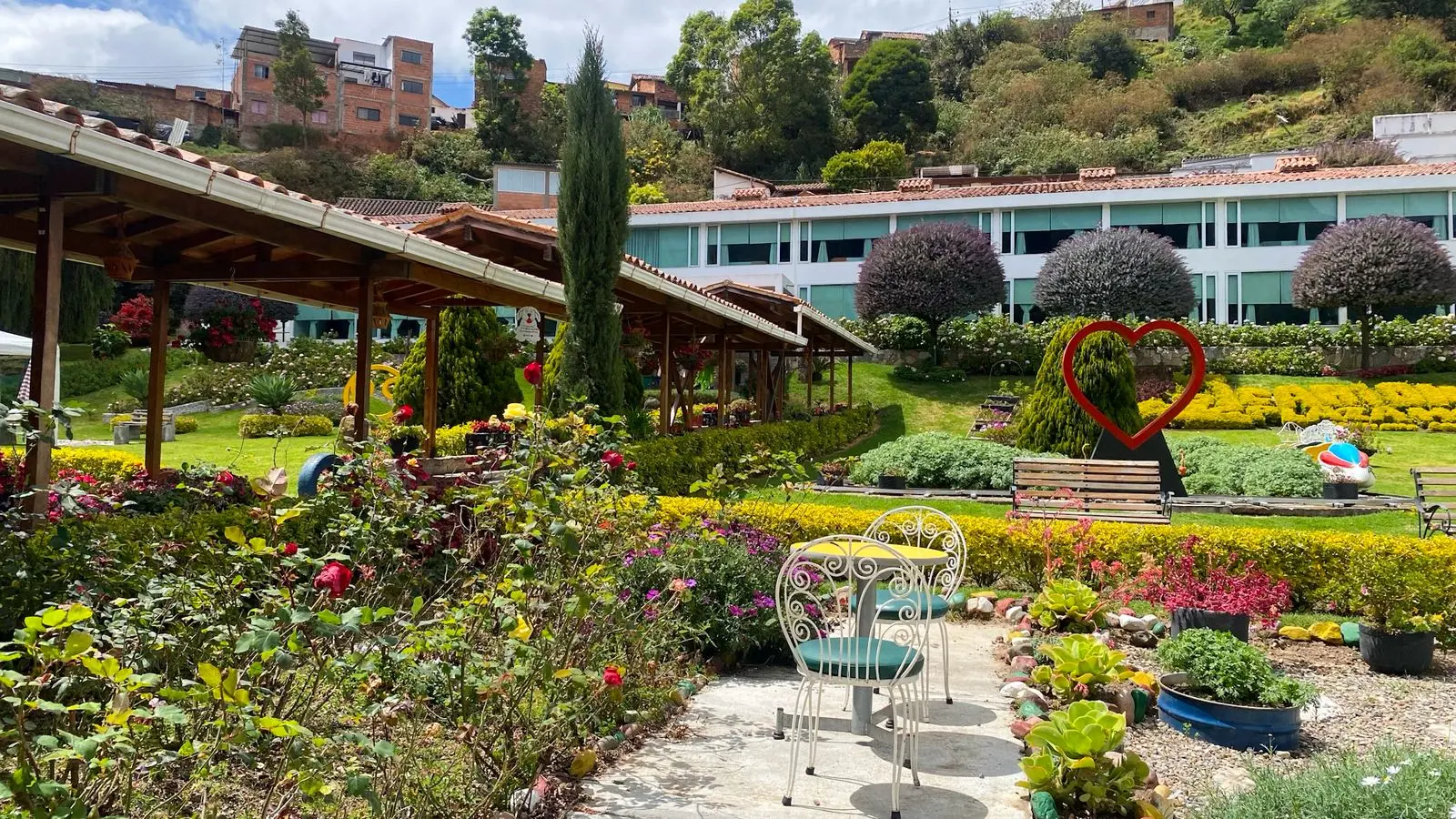
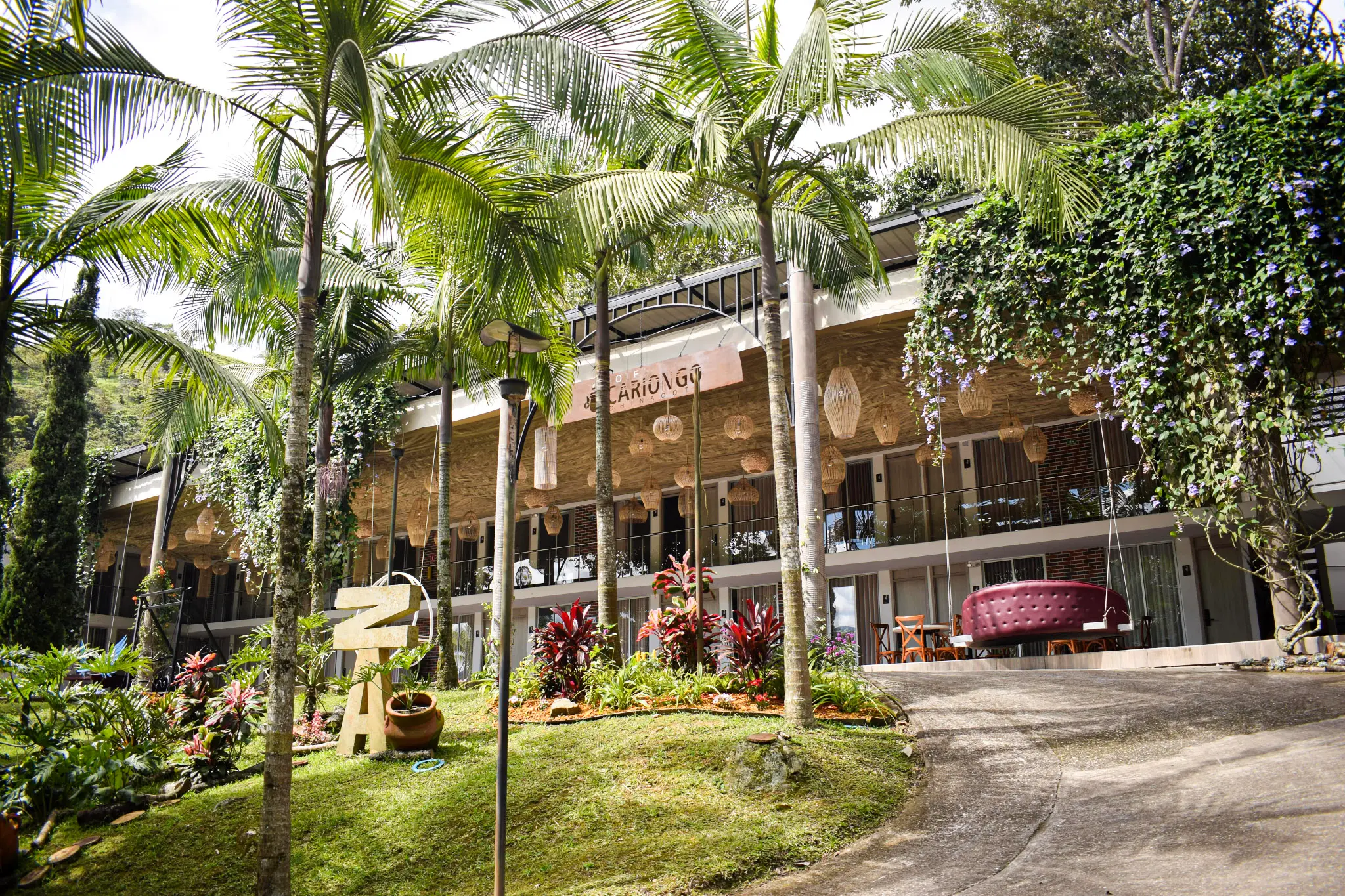
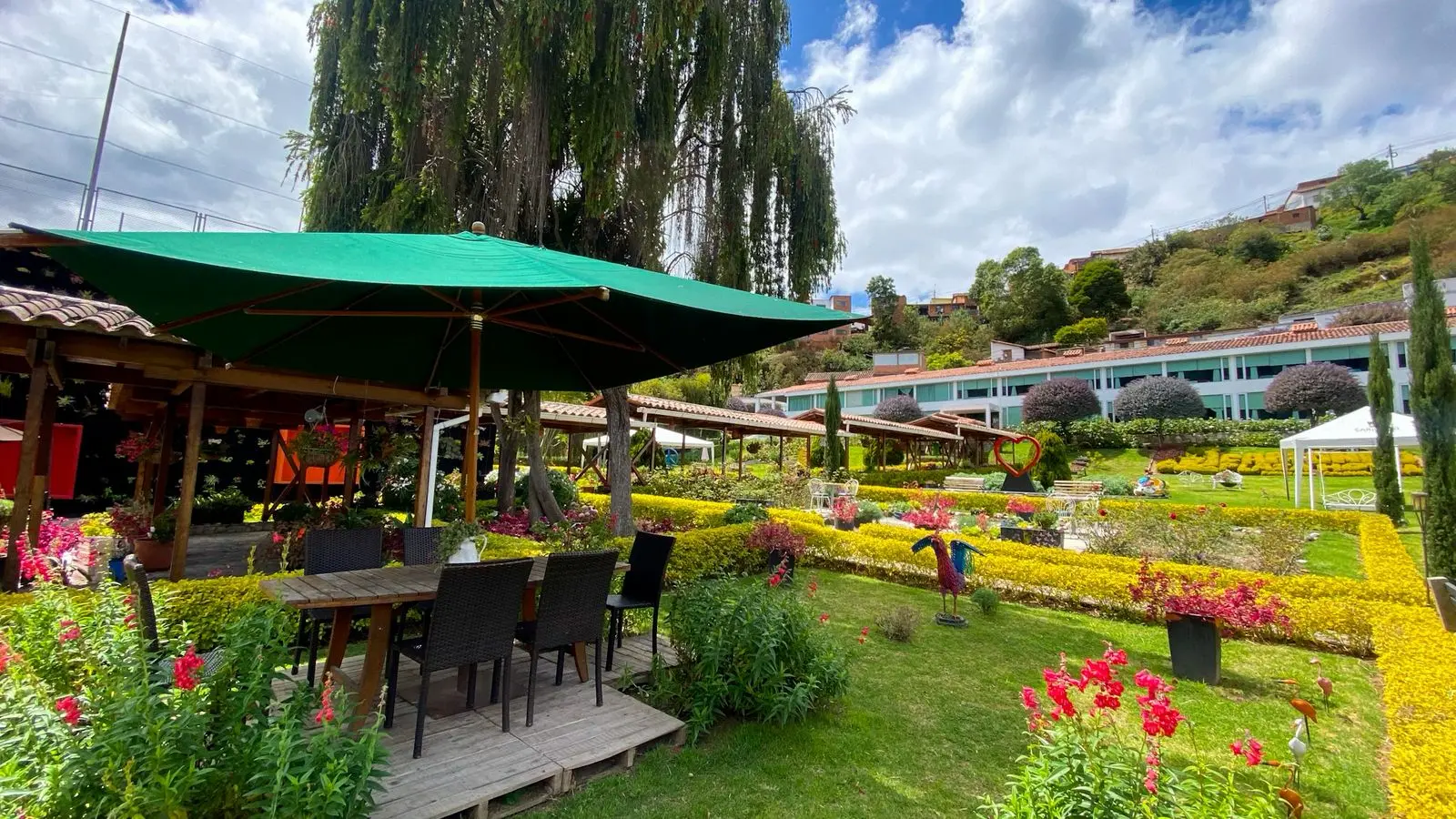
A stay in Pamplona is also an opportunity to experience the heritage that permeates every street. The Hotel Cariongo, located in a prime location, allows visitors to enjoy the city's charm while relaxing in a welcoming setting.
Its architecture blends modernity with a respect for tradition, creating an atmosphere that captures the essence of Pamplona. From here, travelers can set out to explore the churches, museums, plazas, and colonial mansions, knowing that when they return, they’ll find a comfortable and welcoming place to recharge.
A city that stays with you
Pamplona is a destination that captivates visitors not only with its natural beauty and cuisine but also with its architectural and cultural heritage. Every church, every mansion, and every street stands as a silent witness to centuries of history that are still evident in daily life today.
For travelers, getting to know Pamplona is much more than just visiting a tourist attraction: it means immersing yourself in a city that has managed to preserve its essence and offers unique experiences around every corner.
At Hotel Cariongo, we invite you to discover this living history, to stroll through its streets, and to let yourself be swept away by the charm of a city that will stay in your heart. Because, nestled among mountains and traditions, Pamplona will always have a story to tell.

HOTEL CARIONGO
Discover Pamplona
Do you have any questions? Or would you like to learn more about Hotel Cariongo and Pamplona?


Mid-Year Vacations: The Perfect Time to Escape to Pamplona and Chinácota
.webp)
Cultural Tourism in Pamplona and Chinácota: Discover the Soul of Norte de Santander from Hotel Cariongo

Mid-Year Vacation: Relax with your family surrounded by mountains, local cuisine, and tranquility

Tourism in Pamplona: January and February
Christmas Tourism in Pamplona

Natural Areas and Flavors of Pamplona

Children's Holy Week in Pamplona
Who says you have to wait for the weekend? Discover Pamplona and Chinácota during the week
.webp)
The gift of time: the best treat for Mom this May
Holy Week in Pamplona: A Tradition Rooted in History, Faith, and the Mountains
Magical Routes Through Norte de Santander: Tourism Amid Mountains, History, and Tradition

Nature trails in Norte de Santander: mountains, rivers, and unique landscapes
Pamplona and Chinácota: Cradle of the Heroes and Heroines of Independence
Gatherings, tradition, and flavor: this is what family life is like in the mountains
.webp)
Plans for couples or families: unforgettable getaways in Pamplona and Chinácota

High-Altitude Flavors: Pamplona Cuisine and Mother's Day Celebrations at Hotel Cariongo

Easter Week in Pamplona

HOLY WEEK IN PAMPLONA: A FESTIVAL OF EMOTION AND TRADITION

Holy Week in Pamplona: Intangible Cultural Heritage of the Nation

Pamplona 2024 Tourist Calendar

Eduardo Ramirez Villamizar Museum of Modern Art in Pamplona

Intangible Cultural Heritage of the Nation

More Than Just a Place to Sleep: The True Value of a Great Hotel Experience
.webp)
The Cúcuta Mom: A Celebration That Can't Be Contained in a Single Sunday
Women Who Travel, Women Who Inspire
March: Traveling is also a way to celebrate women
February and Its Traditions: Experiencing Pamplona and Chinácota Like a Local
New Year Getaways: Reconnect, Rest, and Breathe
Legends and Traditions of Norte de Santander: Stories That Live On in the Mountains
%20(1).webp)
The Traditional Cuisine of Pamplona and Chinácota: A Journey of Flavors
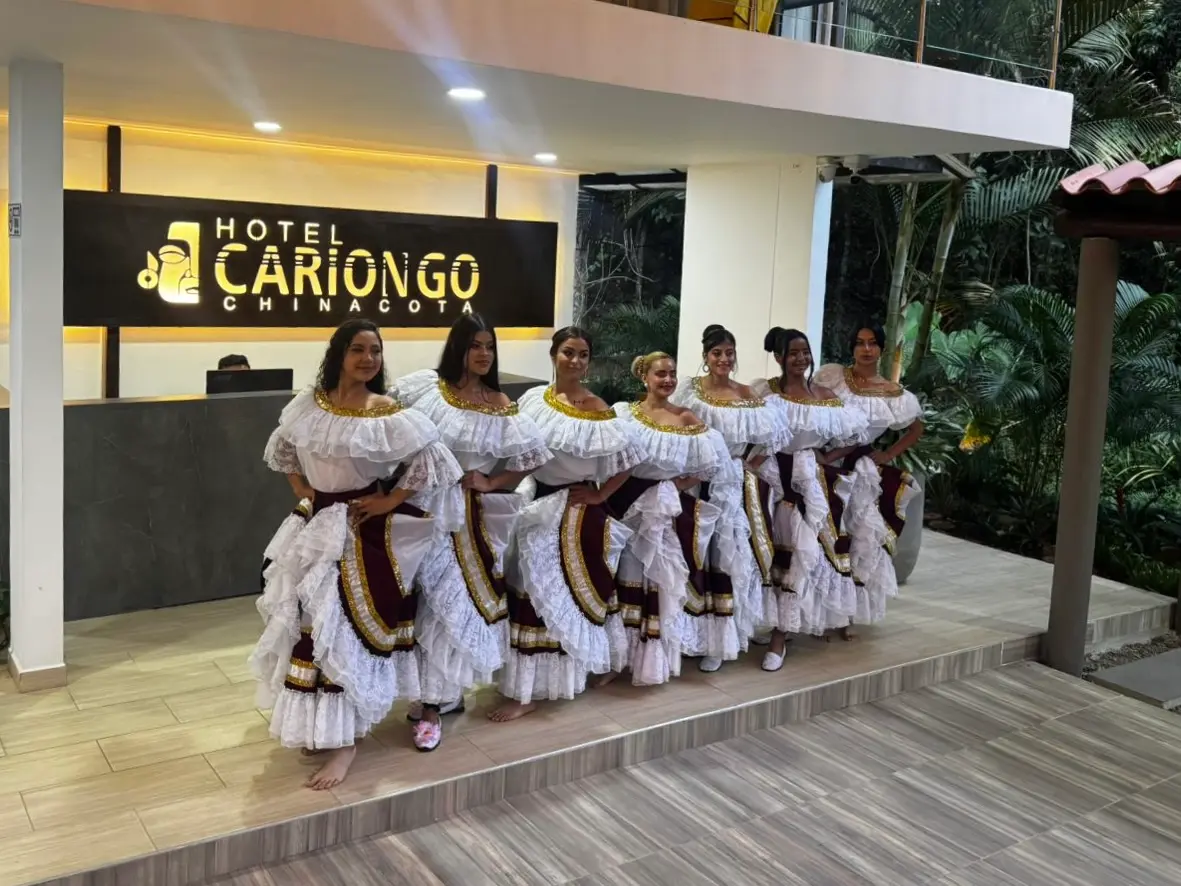
Connecting Festivals: Music, Dance, and Gatherings in the Towns of Norte de Santander

A July of devotion and celebration: Our Lady of Carmen in Norte de Santander

The Wonders of Pamplona at Christmas

A tourist hub in Colombia

Stories of Pamplona, Our Epic Town
.webp)
Five spots in Pamplona and Chinácota that change throughout the day
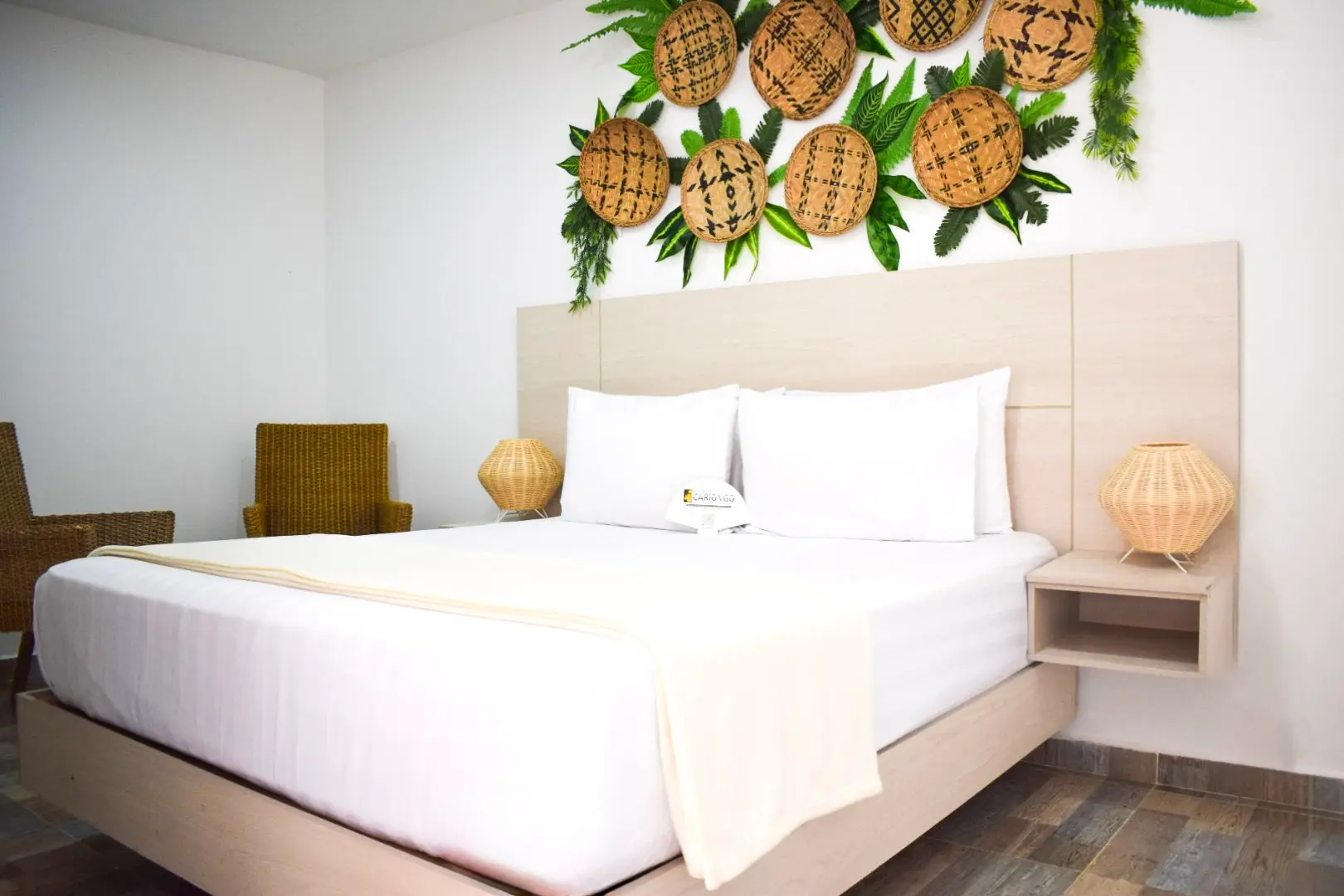
Behind a Great Stay: Everything That Happens Before You Open Your Room Door
.webp)
Chinácota: a destination to explore at your own pace
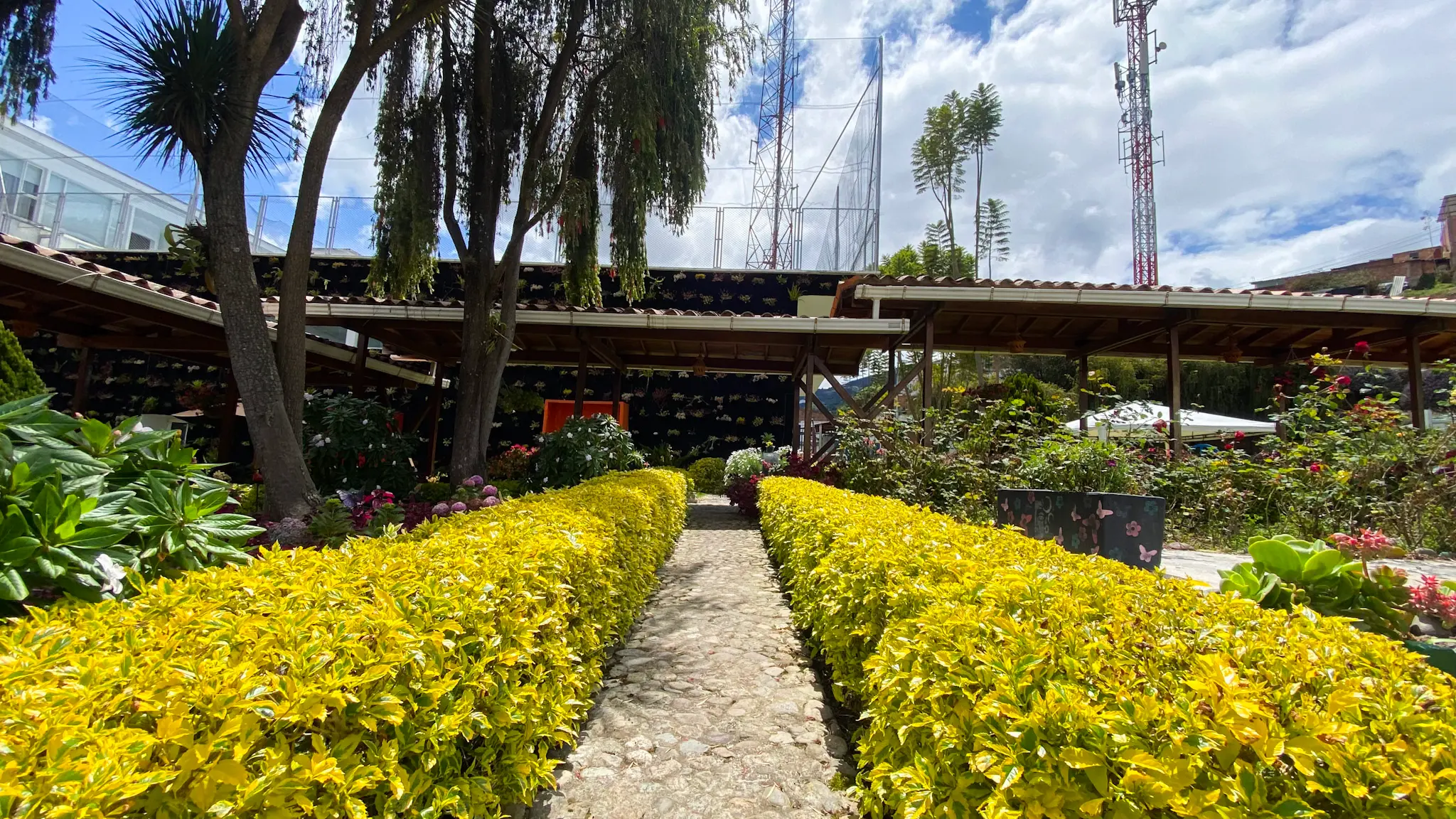
January: the perfect month to start the year in peace among the mountains
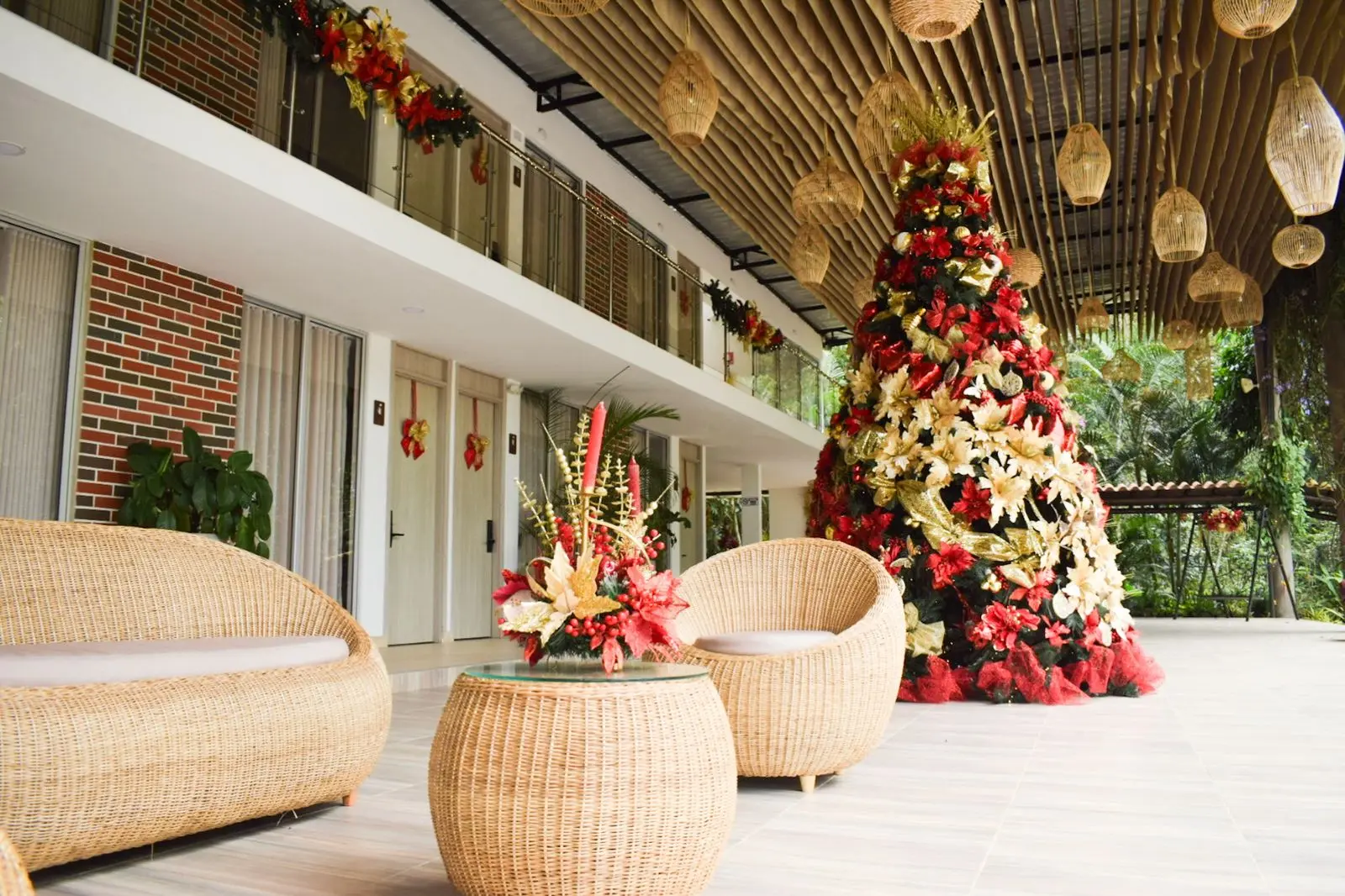
Ending the Year in the Mountains: A Different Way to Experience December 31 in Norte de Santander
.webp)
December: the perfect month to take a break and travel at your own pace

Where to Spend the Best Vacation in November
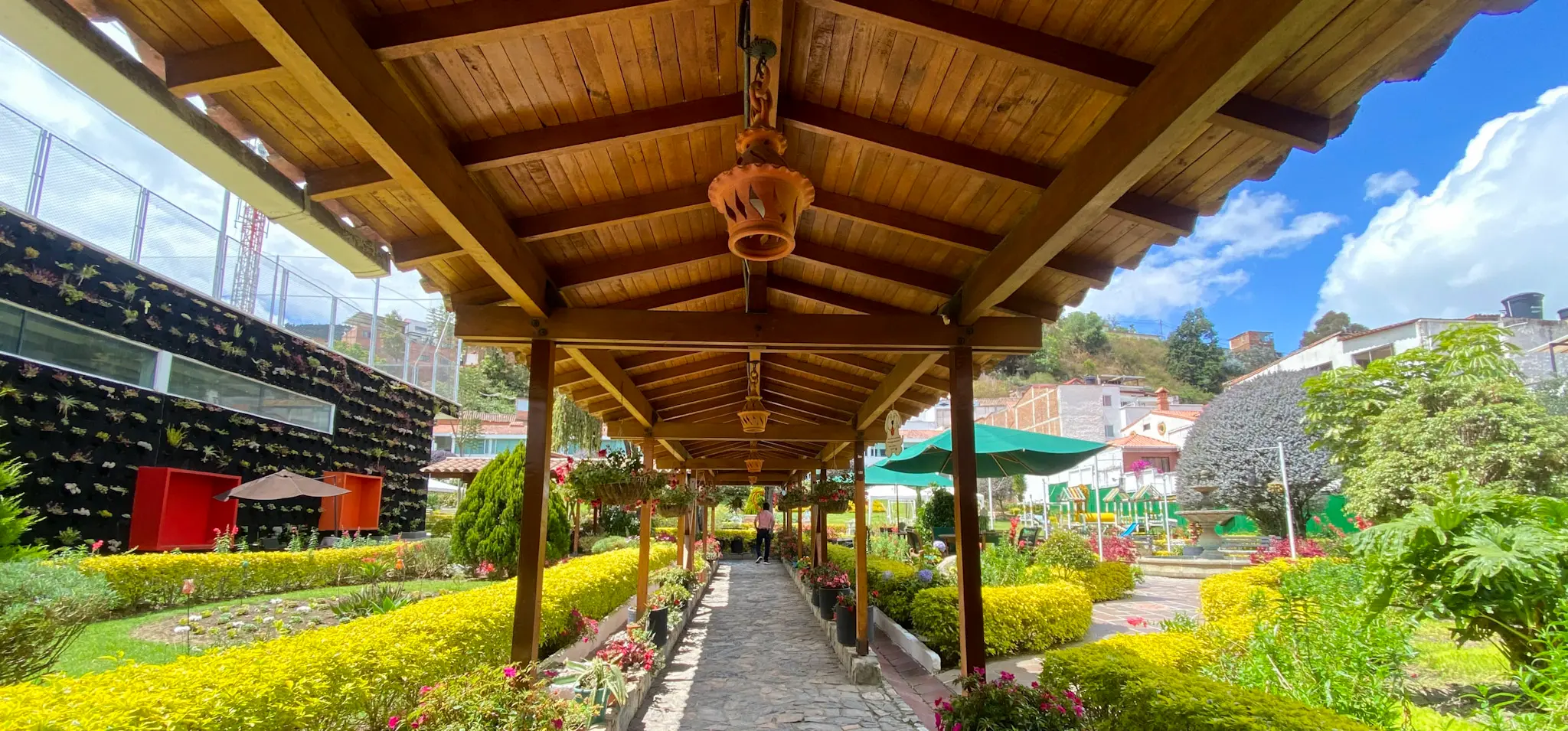
Amid mountains and fresh breezes: November, the perfect month to unplug in Pamplona and Chinácota
The architectural and cultural heritage of Pamplona: living history on every street

Between Mountains and Traditions: Holy Week, Pamplona 2025

Discover Chitarero Restaurant

In February, Pamplona Celebrates Love on Valentine's Day

The Best Restaurant in Pamplona
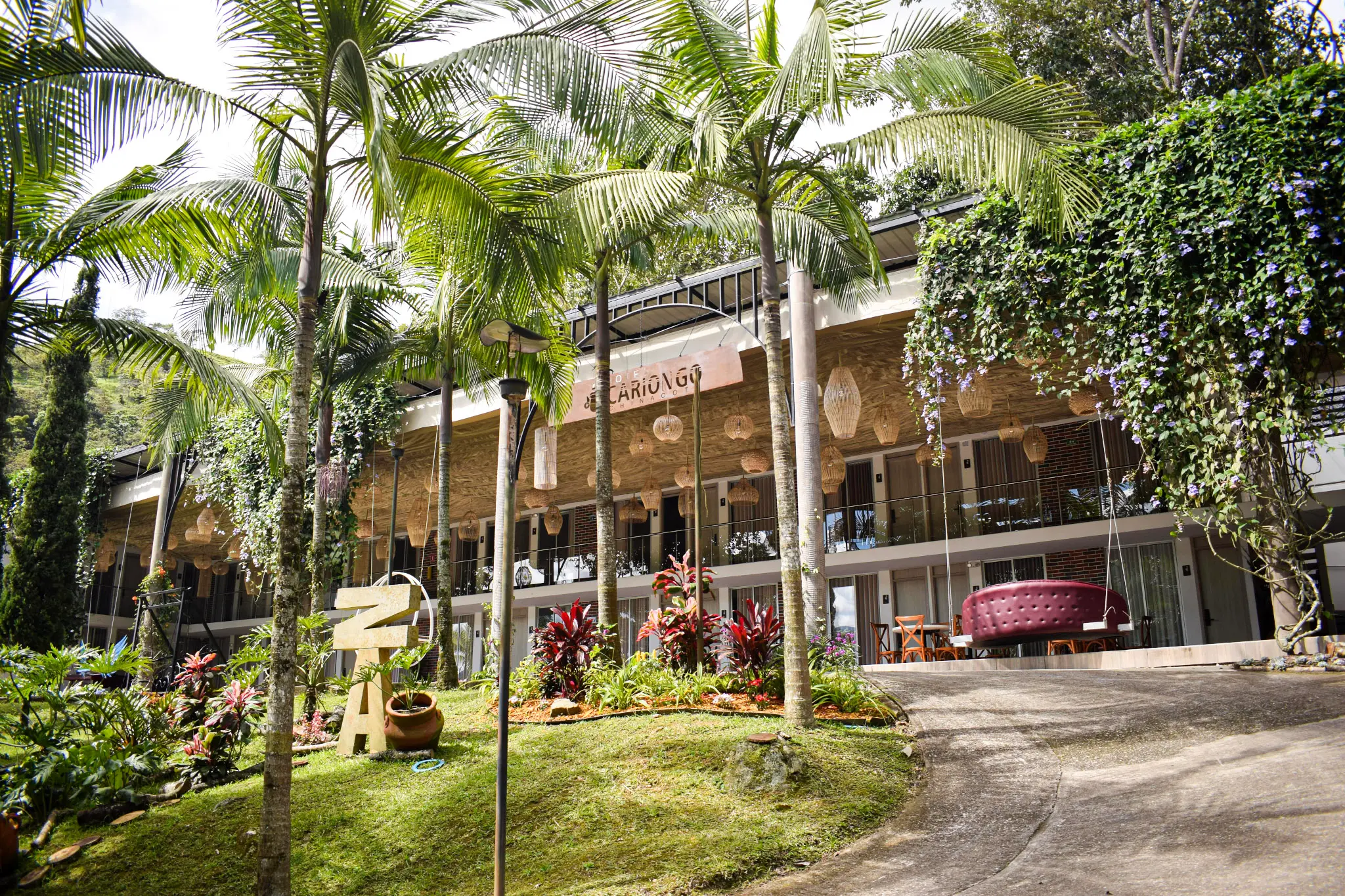
August is the time to see Norte de Santander through new eyes: experiences that go beyond the destination
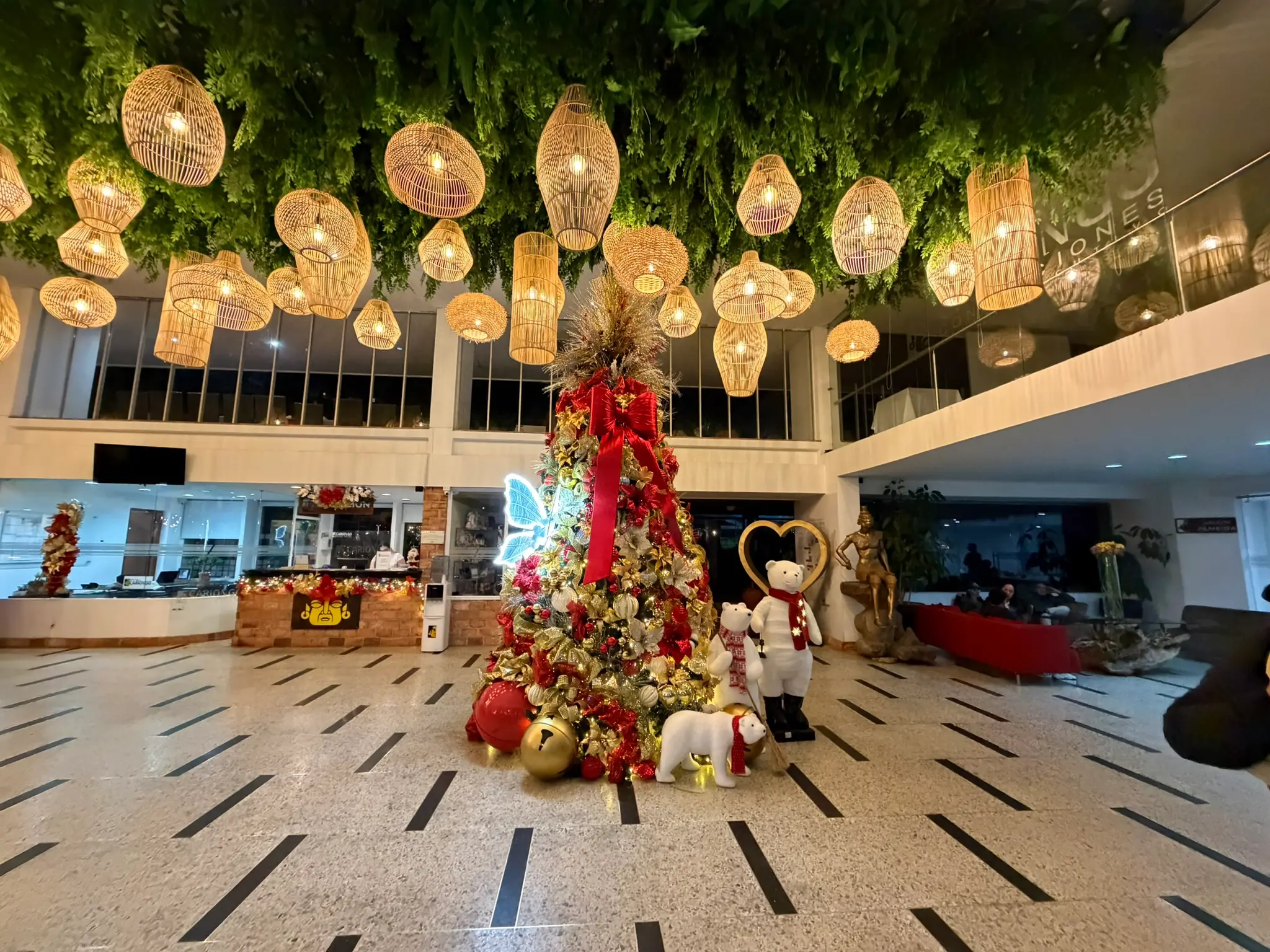
December 24: A Christmas to savor slowly amid mountains and traditions
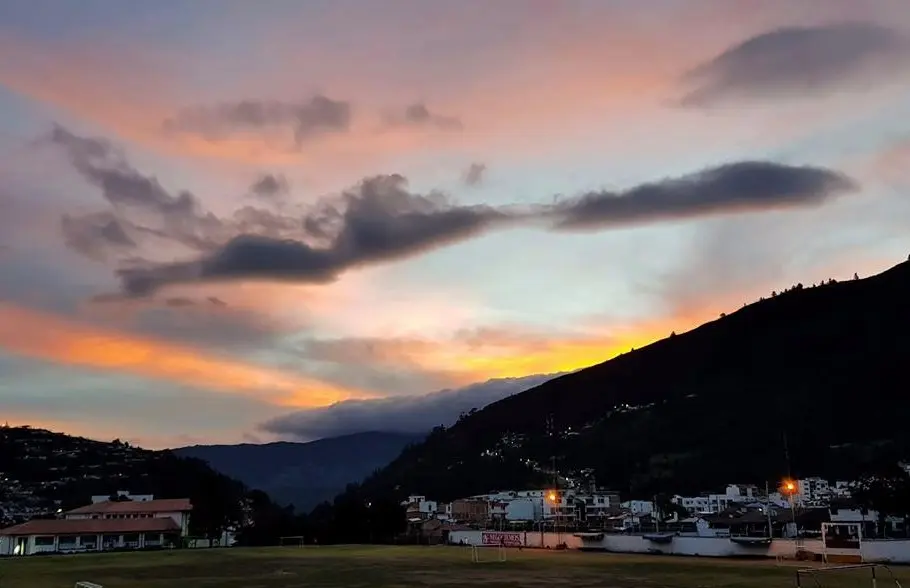
Camilo Daza: The Visionary Who Led Norte de Santander to Conquer the Skies
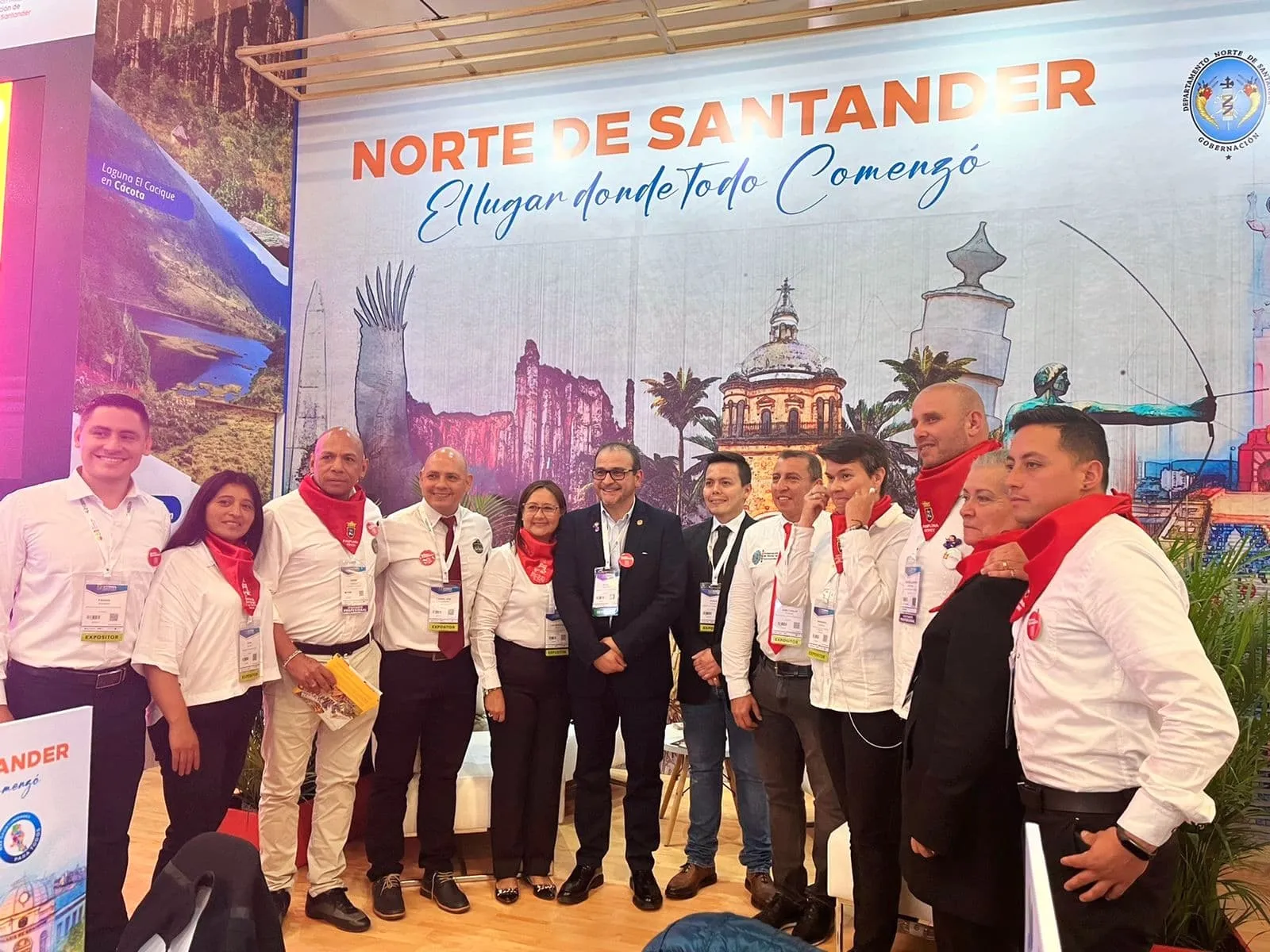
ANATO COLOMBIA 2024