

Articles
Legends and Traditions of Norte de Santander: Stories That Live On in the Mountains
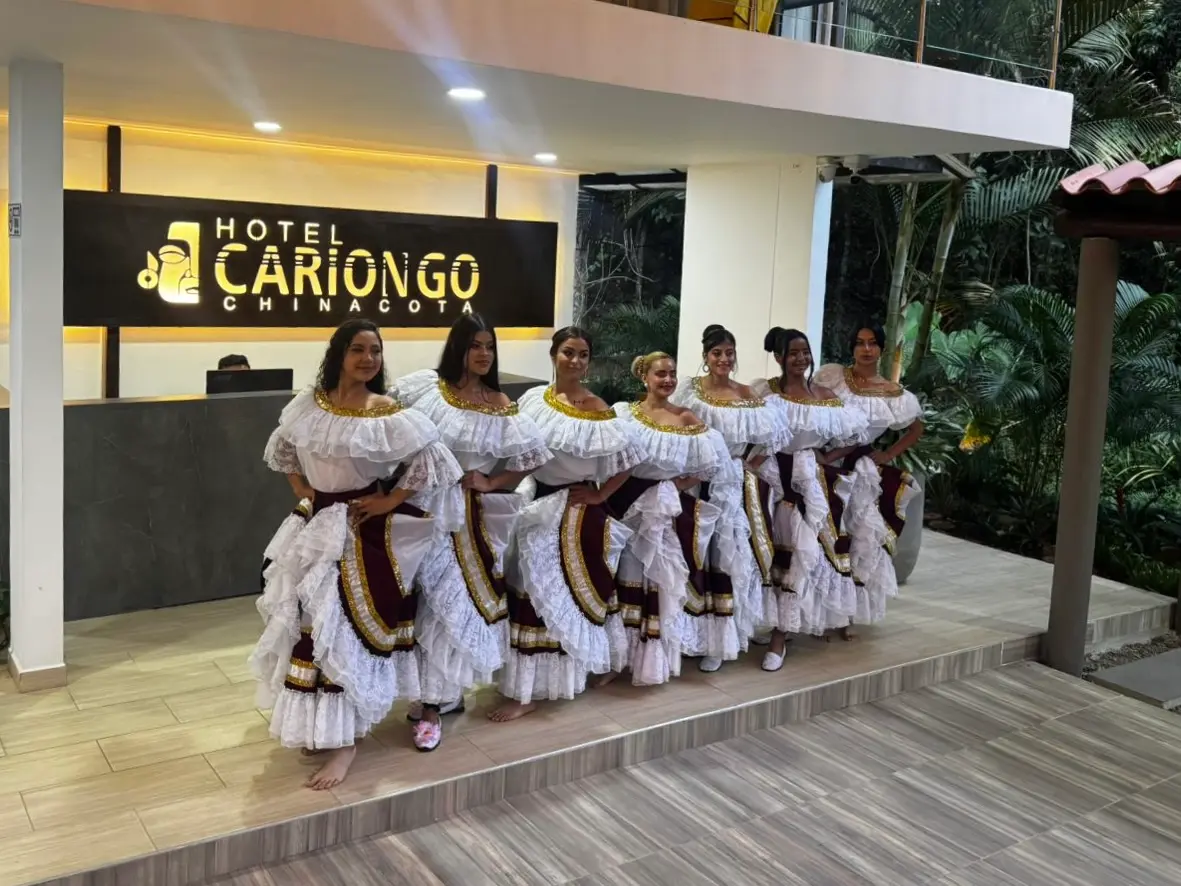
In the mountains of Norte de Santander, history is not only told in books or on the walls of colonial mansions. It also lives on in the voices of grandparents, in the stories shared in town squares, along cobblestone paths, and by the bonfires that light up cold nights. Pamplona and Chinácota, two iconic destinations in this region, are guardians of a cultural heritage that blends religion, myths, music, cuisine, and customs passed down from generation to generation.
Exploring these lands isn't just about walking along green trails or admiring colonial churches. It's also about listening, feeling, and immersing yourself in that world of stories that give communities their identity and, in a way, turn every visit into a journey through time.
Legends as a Mirror of the Mountain
The legends of Norte de Santander are a fascinating blend of religious beliefs, collective fears, historical events, and nature. Many of them originate in the towns and rural villages of Pamplona and Chinácota, where the mountain seems to hold its secrets.
One of the best-known stories is that of the Mischievous Elf, a small, playful creature who, according to the story, appears at night to startle the unwary or hide objects in houses. It is said that in the rural areas near Chinácota, it was common to hear children talk about this character, who embodied both mischief and the need to explain the unexplainable.
Another recurring legend is that of La Llorona, which is found in various regions of Colombia but has its own unique characteristics in this area. In Pamplona, it is said that her wailing could be heard near rivers and streams, reminding the inhabitants of the importance of respecting nature and family life.
These stories not only entertained but also served a social purpose: to teach, warn, and reinforce values through fear and imagination.
Traditions That Keep Identity Alive
Beyond the legends, Pamplona and Chinácota have a calendar filled with cultural and religious traditions that are part of their residents' daily lives.
In Pamplona, for example, religious celebrations continue to set the pace of life. Although Holy Week is the best known, the year also features patron saint festivals in honor of Our Lady of Carmen and Saint Peter Claver, which fill the streets with processions, music, and traditional cuisine.
In Chinácota, the festive atmosphere blends with the hospitality of its people. Family gatherings centered around food, traditional games, and town festivals create a space where tradition intertwines with joy. There, time seems to stand still, allowing people to remember what really matters: sharing and keeping inherited customs alive.
The Power of Oral Tradition
One of the region's greatest treasures is its oral tradition. Grandparents are master storytellers, capable of turning a simple evening into a journey through tales of ghosts, miracles, goblins, or historical figures.
In many homes in Pamplona, the tradition of gathering in the living room still persists, especially on cold nights, to listen to stories passed down from generation to generation. In Chinácota, outdoor spaces such as the courtyards and corridors of colonial houses become stages where the spoken word keeps the bond with ancestors alive.
Listening to these stories is not just entertainment; it is an act of remembrance and cultural resistance that strengthens local identity.
Music, Dance, and Celebrations: Tradition in Motion
The traditions of Norte de Santander are not limited to what is told; they are also danced, sung, and celebrated. Andean music, bambucos, folk verses, and traditional dances are part of the cultural heritage kept alive in Pamplona and Chinácota.
During patron saint festivals, for example, it is common to see streets filled with troupes, musical groups, and dancers whose energy is contagious to locals and visitors alike. Each performance is a display of creativity, but also of memory: behind every song or dance lie stories of resilience, love, and community.
Gastronomy Rooted in Tradition
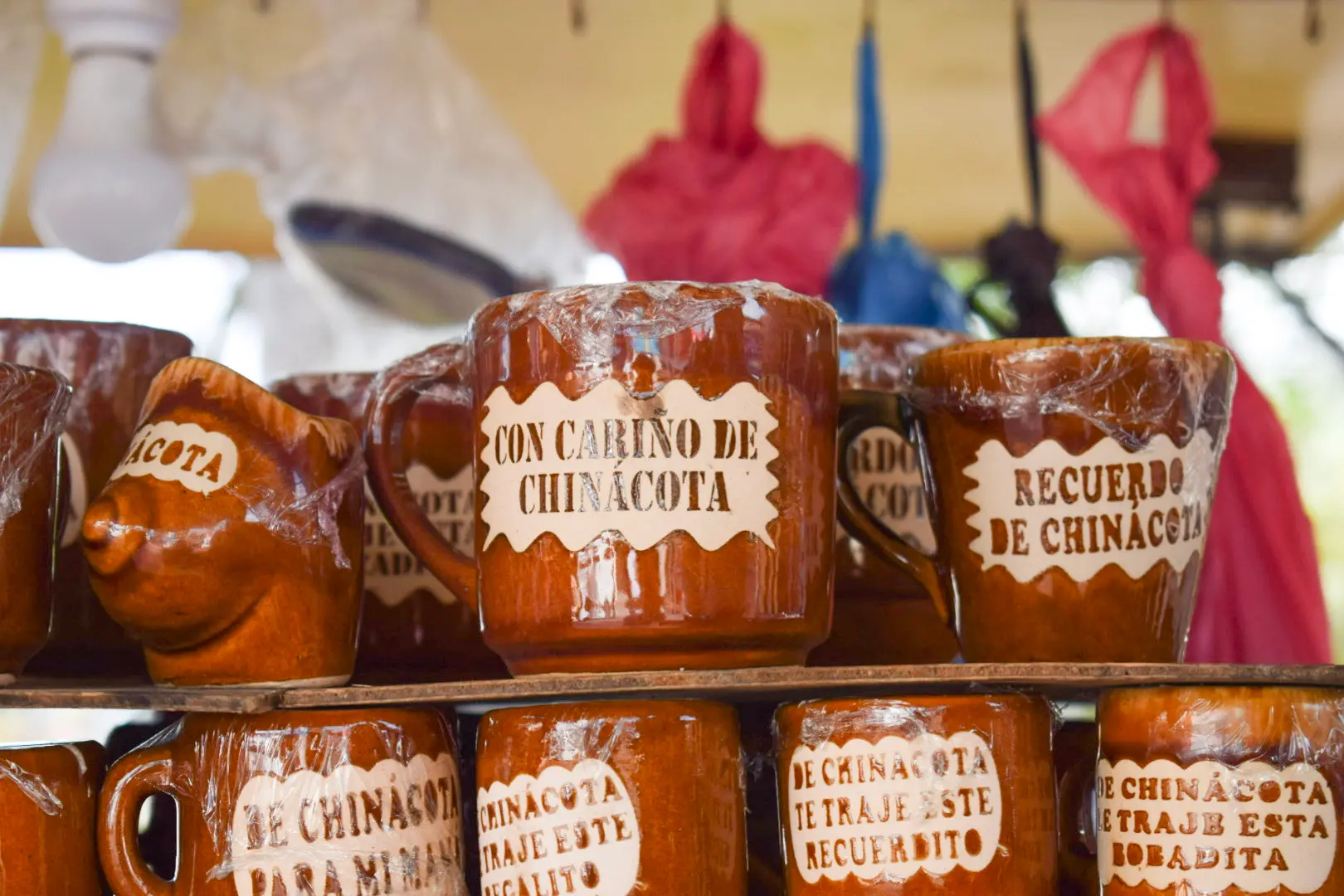
Food also carries legends and memories. The Santander mute, with its blend of local ingredients, not only nourishes the body but tells a story of community and abundance. Corn arepas and almojábanas evoke the simplicity of country life, while artisanal sweets connect us to family holidays and celebrations.
In Pamplona and Chinácota, sitting down at the table is a way to keep traditions alive. Each traditional dish is a legacy that speaks to the land, the cool climate that calls for hot soups, and the creativity of those who transform simple ingredients into memorable delicacies.
Living Legends in Nature
The region's geography—with its mountains, rivers, and moorlands—also serves as a setting for myths and traditions. Many locals claim that mysterious figures appear on lonely paths, or that certain streams are home to spirits that protect the water.
Beyond the realm of fantasy, these beliefs serve to foster respect for the environment. The mountain is not just a landscape: it is a home, a memory, and a symbol of the sacred. For visitors, exploring these places is an opportunity to connect with nature from a different perspective, recognizing that every corner has a story to tell.
Hotel Cariongo: A Refuge Amid Tradition
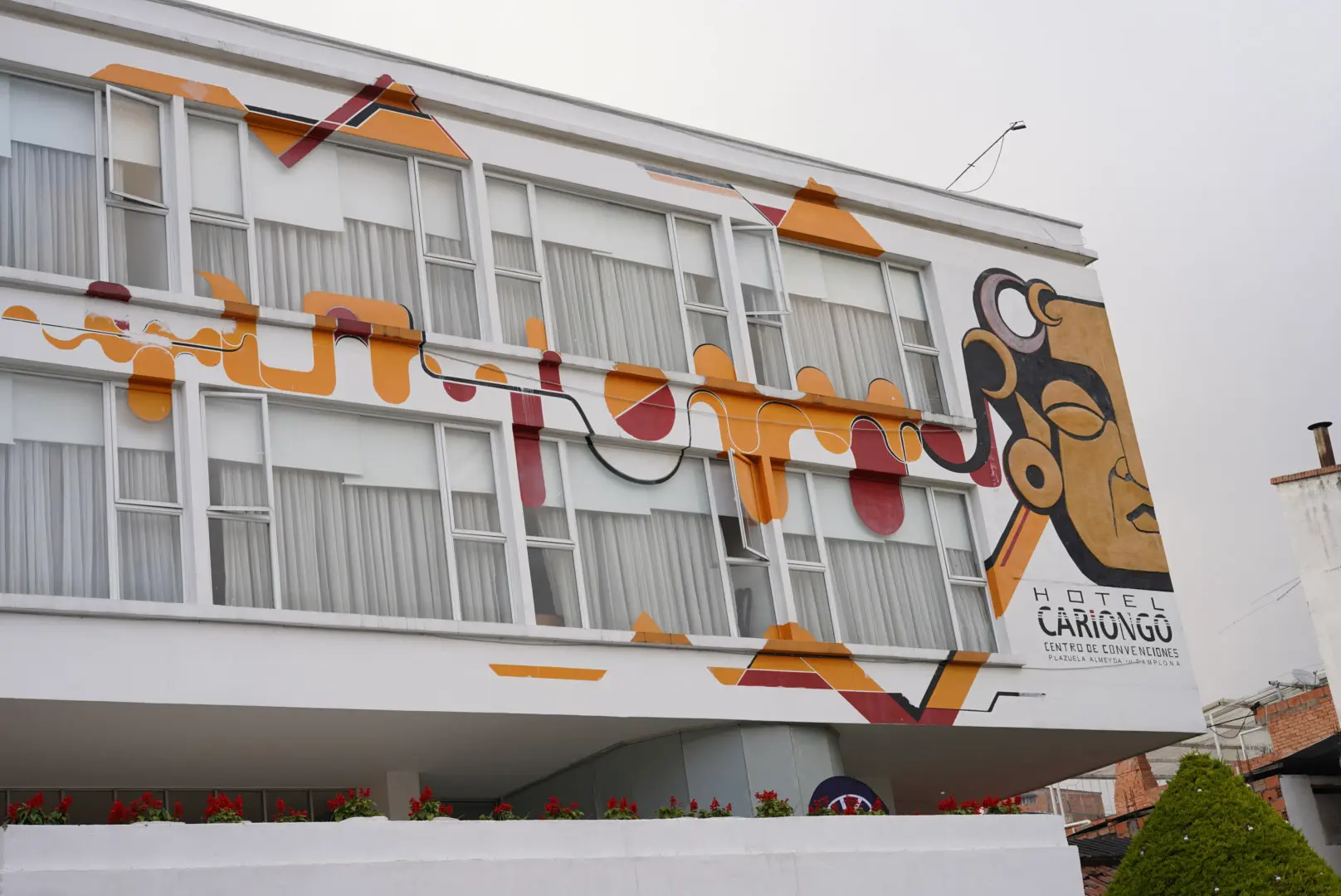
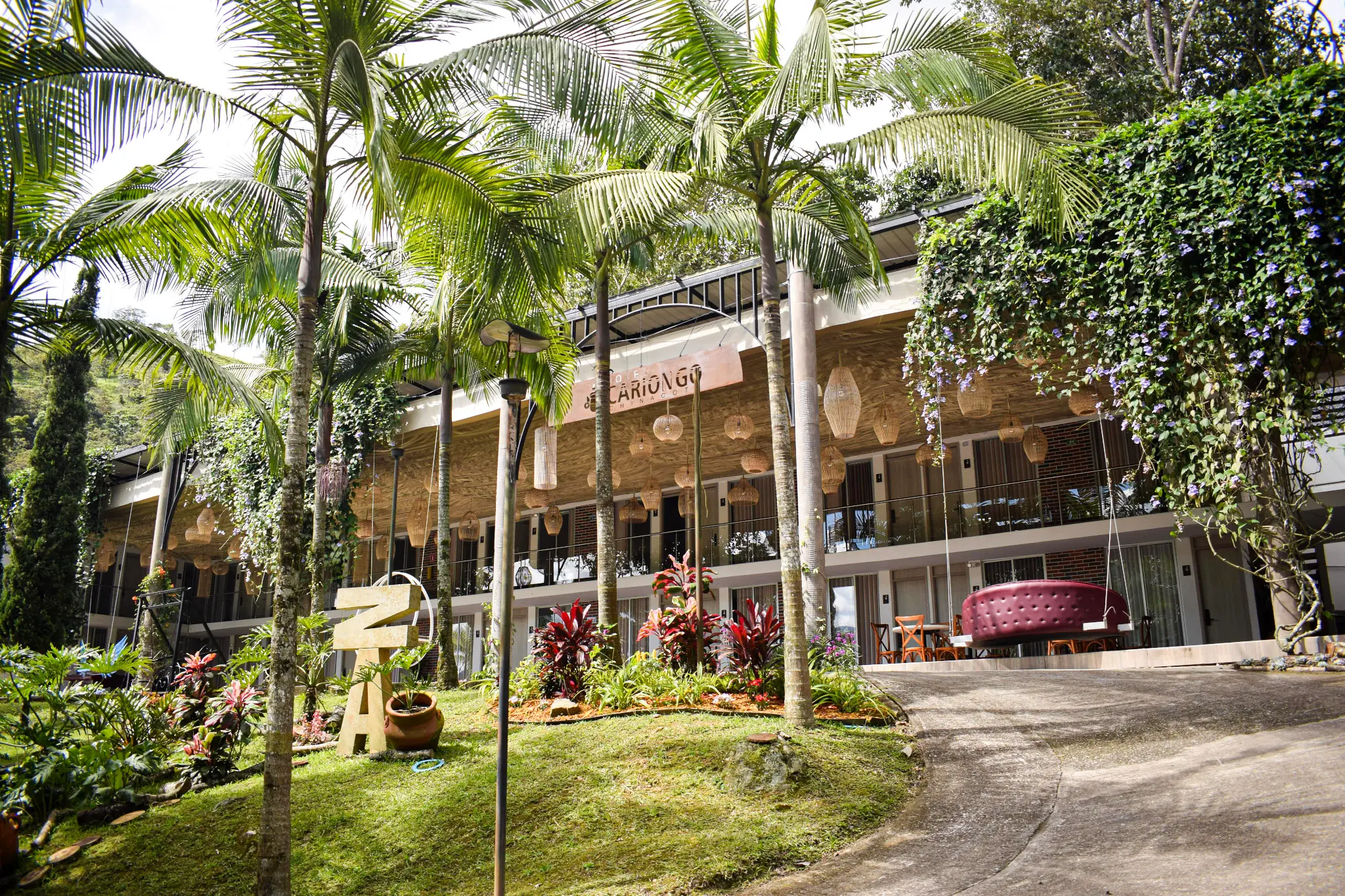
For those arriving in Pamplona or Chinácota seeking not only rest but also a cultural connection, Hotel Cariongo serves as a meeting place. Its welcoming spaces, inspired by the region’s warmth, invite you to experience the hospitality of Norte de Santander with all the modern comforts.
Furthermore, the hotel's location makes it easy to explore the cultural and natural attractions of both cities, making it the perfect place to relax after visiting churches, historic homes, and hiking trails, or listening to local legends.
Staying at Hotel Cariongo is more than just sleeping among the mountains: it means immersing yourself in living tradition, enjoying local cuisine, and discovering the soul of the region in every detail.
Traveling is also about listening
In an increasingly fast-paced world, traveling to Pamplona and Chinácota reminds us of the importance of taking a moment to listen—to the mountains, the river, the ancient streets, and, above all, the people who keep their traditions alive.
Every legend, every story, and every celebration is part of a heritage that stands strong, resisting oblivion and offering visitors an authentic experience.
October is the perfect month to let yourself be enveloped by the mystery, warmth, and memories of Norte de Santander. And amidst the mountains and traditions, Hotel Cariongo awaits to be a part of your story.

HOTEL CARIONGO
Discover Pamplona
Do you have any questions? Or would you like to learn more about Hotel Cariongo and Pamplona?


Mid-Year Vacations: The Perfect Time to Escape to Pamplona and Chinácota
.webp)
Cultural Tourism in Pamplona and Chinácota: Discover the Soul of Norte de Santander from Hotel Cariongo

Mid-Year Vacation: Relax with your family surrounded by mountains, local cuisine, and tranquility

Tourism in Pamplona: January and February
Christmas Tourism in Pamplona

Natural Areas and Flavors of Pamplona

Children's Holy Week in Pamplona
Who says you have to wait for the weekend? Discover Pamplona and Chinácota during the week
.webp)
The gift of time: the best treat for Mom this May
Holy Week in Pamplona: A Tradition Rooted in History, Faith, and the Mountains
Magical Routes Through Norte de Santander: Tourism Amid Mountains, History, and Tradition

Nature trails in Norte de Santander: mountains, rivers, and unique landscapes
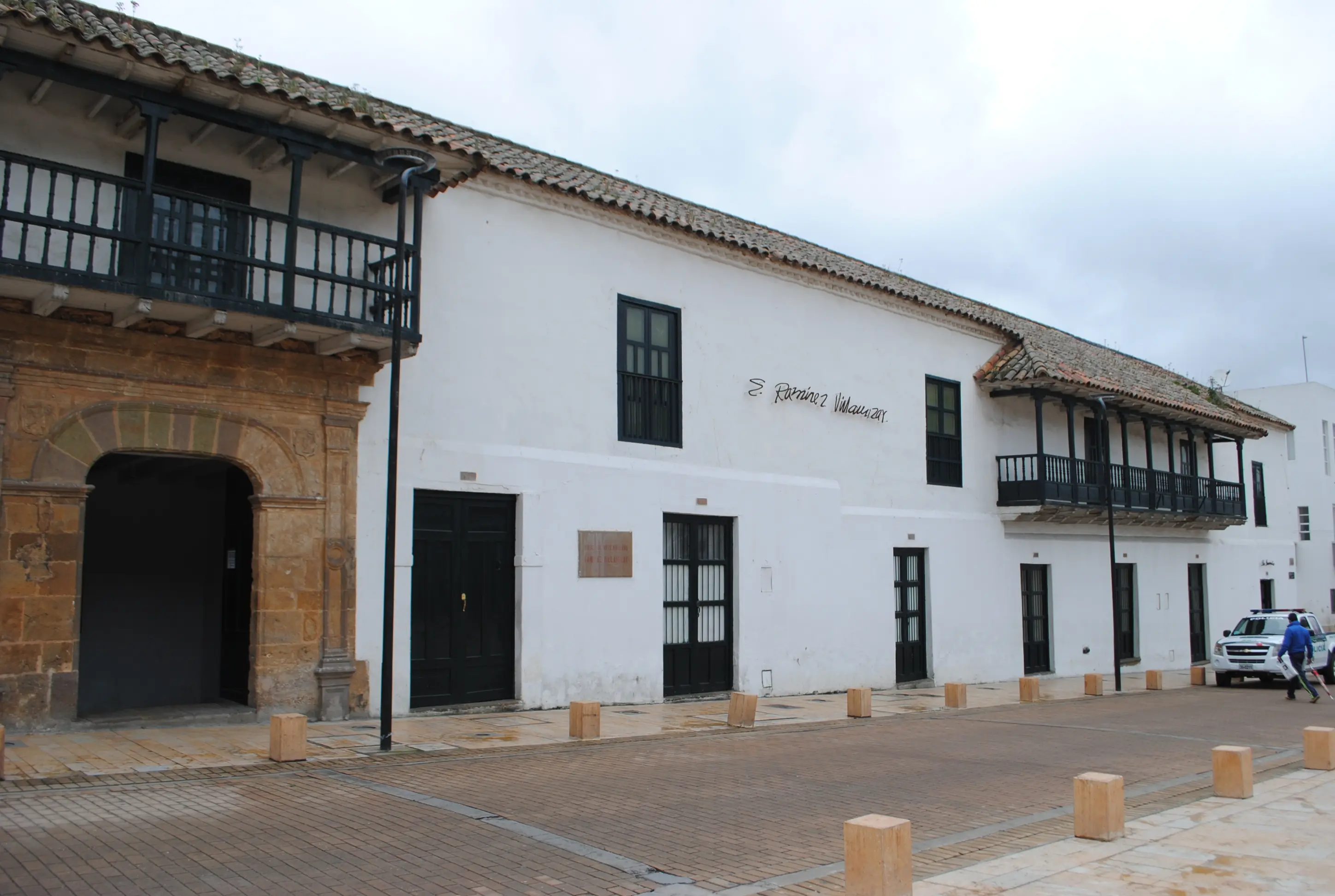
Pamplona and Chinácota: Cradle of the Heroes and Heroines of Independence
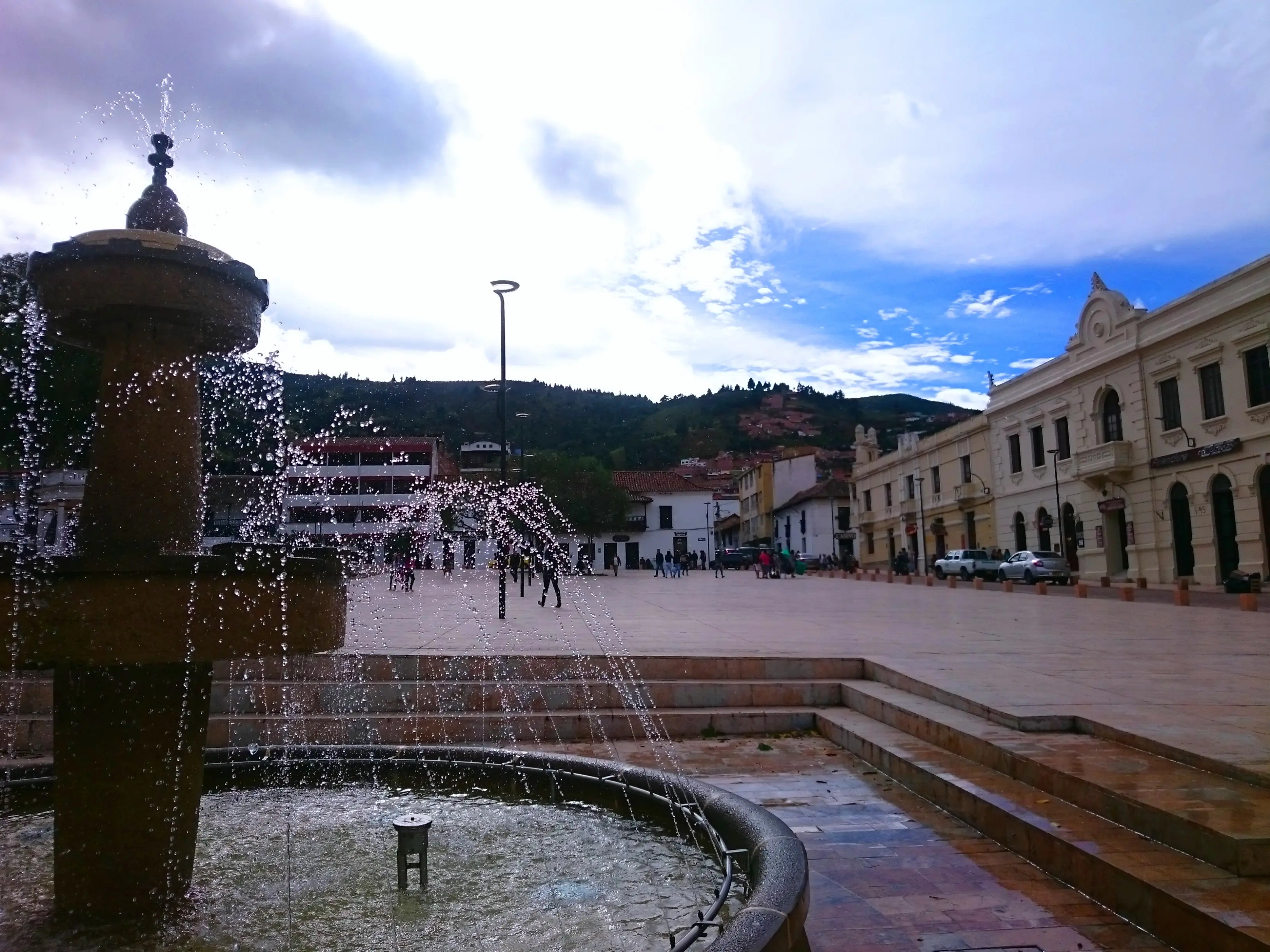
Gatherings, tradition, and flavor: this is what family life is like in the mountains
.webp)
Plans for couples or families: unforgettable getaways in Pamplona and Chinácota

High-Altitude Flavors: Pamplona Cuisine and Mother's Day Celebrations at Hotel Cariongo

Easter Week in Pamplona

HOLY WEEK IN PAMPLONA: A FESTIVAL OF EMOTION AND TRADITION

Holy Week in Pamplona: Intangible Cultural Heritage of the Nation

Pamplona 2024 Tourist Calendar

Eduardo Ramirez Villamizar Museum of Modern Art in Pamplona

Intangible Cultural Heritage of the Nation

More Than Just a Place to Sleep: The True Value of a Great Hotel Experience
.webp)
The Cúcuta Mom: A Celebration That Can't Be Contained in a Single Sunday
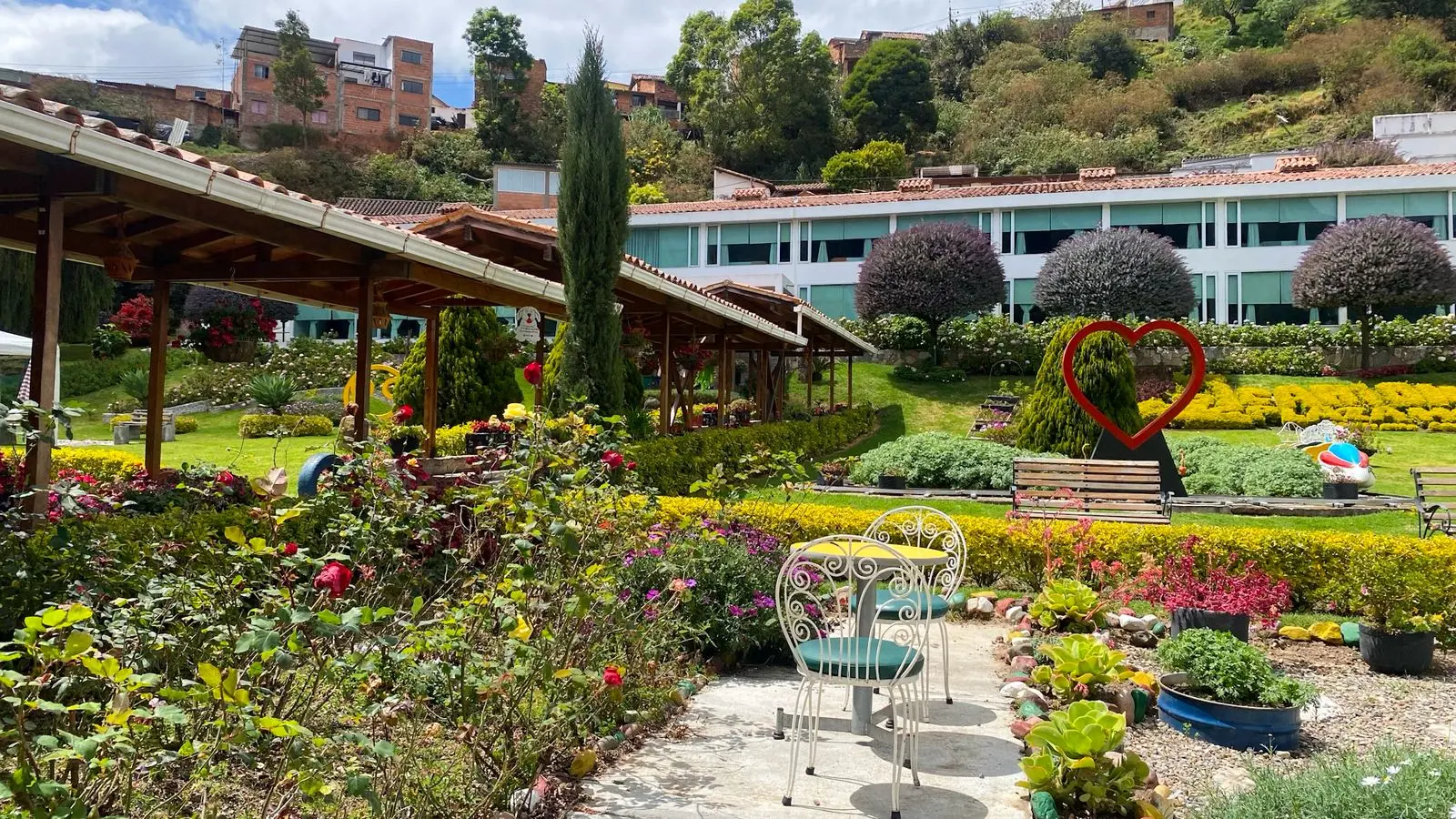
Women Who Travel, Women Who Inspire
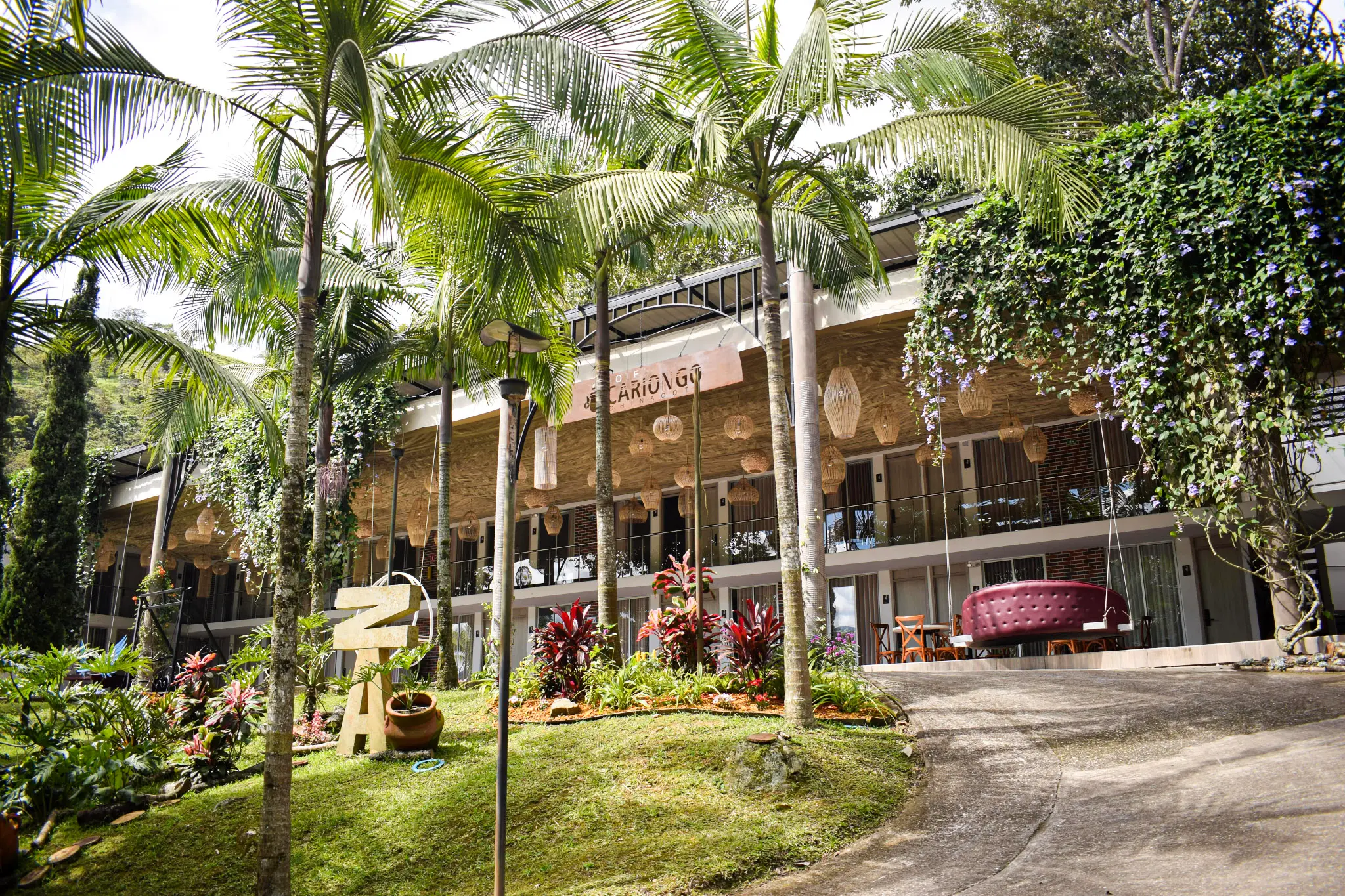
March: Traveling is also a way to celebrate women
February and Its Traditions: Experiencing Pamplona and Chinácota Like a Local
New Year Getaways: Reconnect, Rest, and Breathe
Legends and Traditions of Norte de Santander: Stories That Live On in the Mountains
%20(1).webp)
The Traditional Cuisine of Pamplona and Chinácota: A Journey of Flavors
Connecting Festivals: Music, Dance, and Gatherings in the Towns of Norte de Santander

A July of devotion and celebration: Our Lady of Carmen in Norte de Santander

The Wonders of Pamplona at Christmas

A tourist hub in Colombia

Stories of Pamplona, Our Epic Town
.webp)
Five spots in Pamplona and Chinácota that change throughout the day

Behind a Great Stay: Everything That Happens Before You Open Your Room Door
.webp)
Chinácota: a destination to explore at your own pace
January: the perfect month to start the year in peace among the mountains
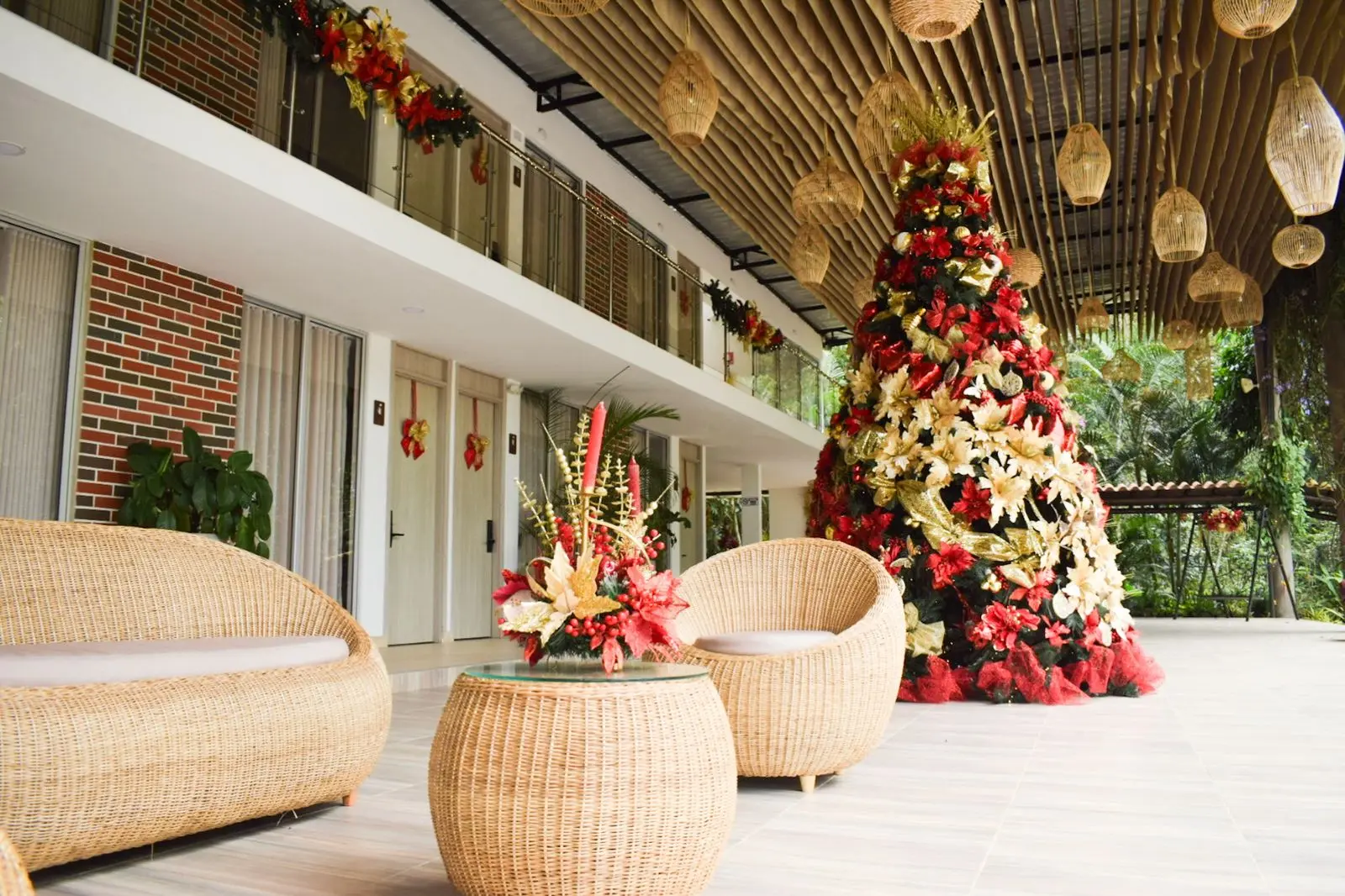
Ending the Year in the Mountains: A Different Way to Experience December 31 in Norte de Santander
.webp)
December: the perfect month to take a break and travel at your own pace

Where to Spend the Best Vacation in November
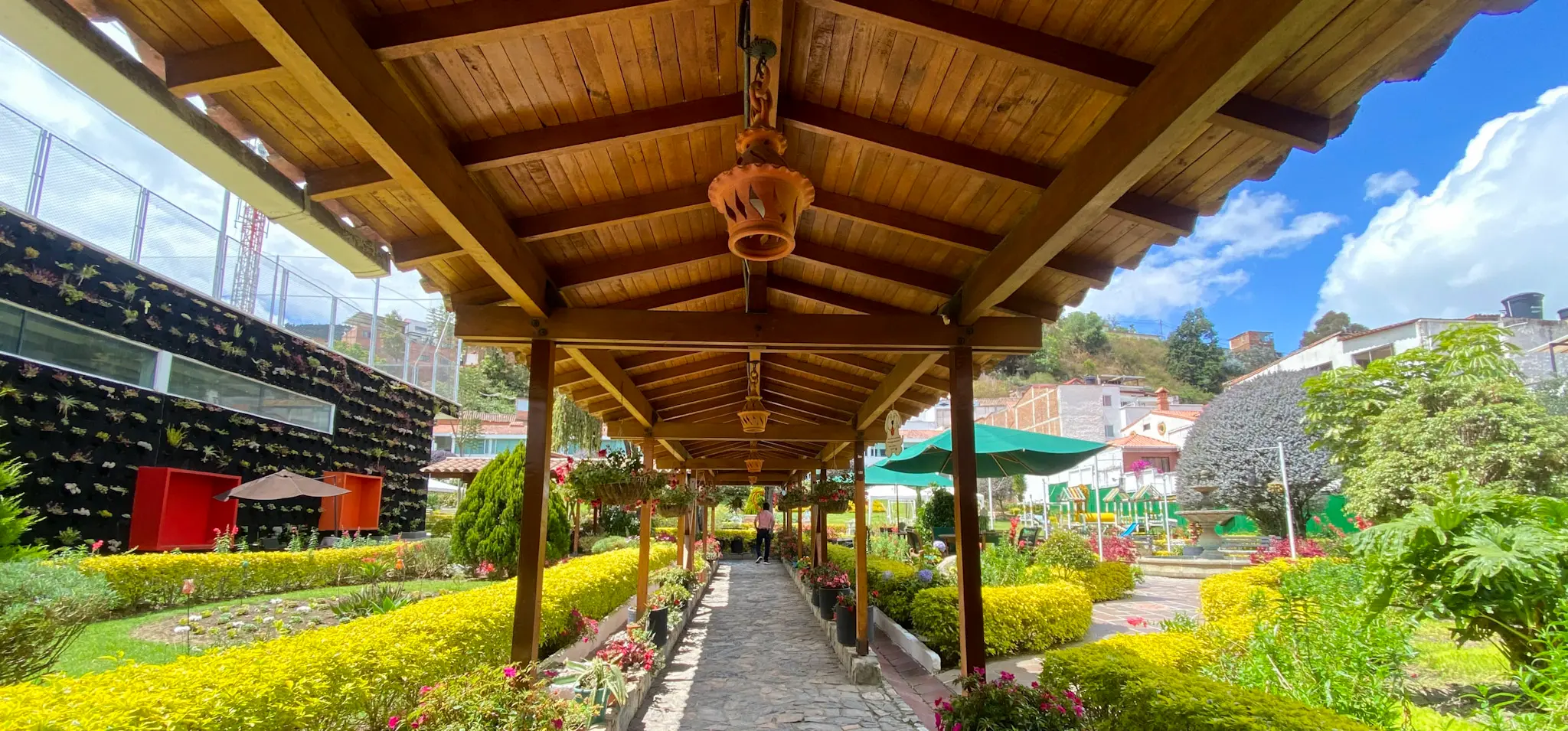
Amid mountains and fresh breezes: November, the perfect month to unplug in Pamplona and Chinácota
.webp)
The architectural and cultural heritage of Pamplona: living history on every street

Between Mountains and Traditions: Holy Week, Pamplona 2025

Discover Chitarero Restaurant

In February, Pamplona Celebrates Love on Valentine's Day

The Best Restaurant in Pamplona
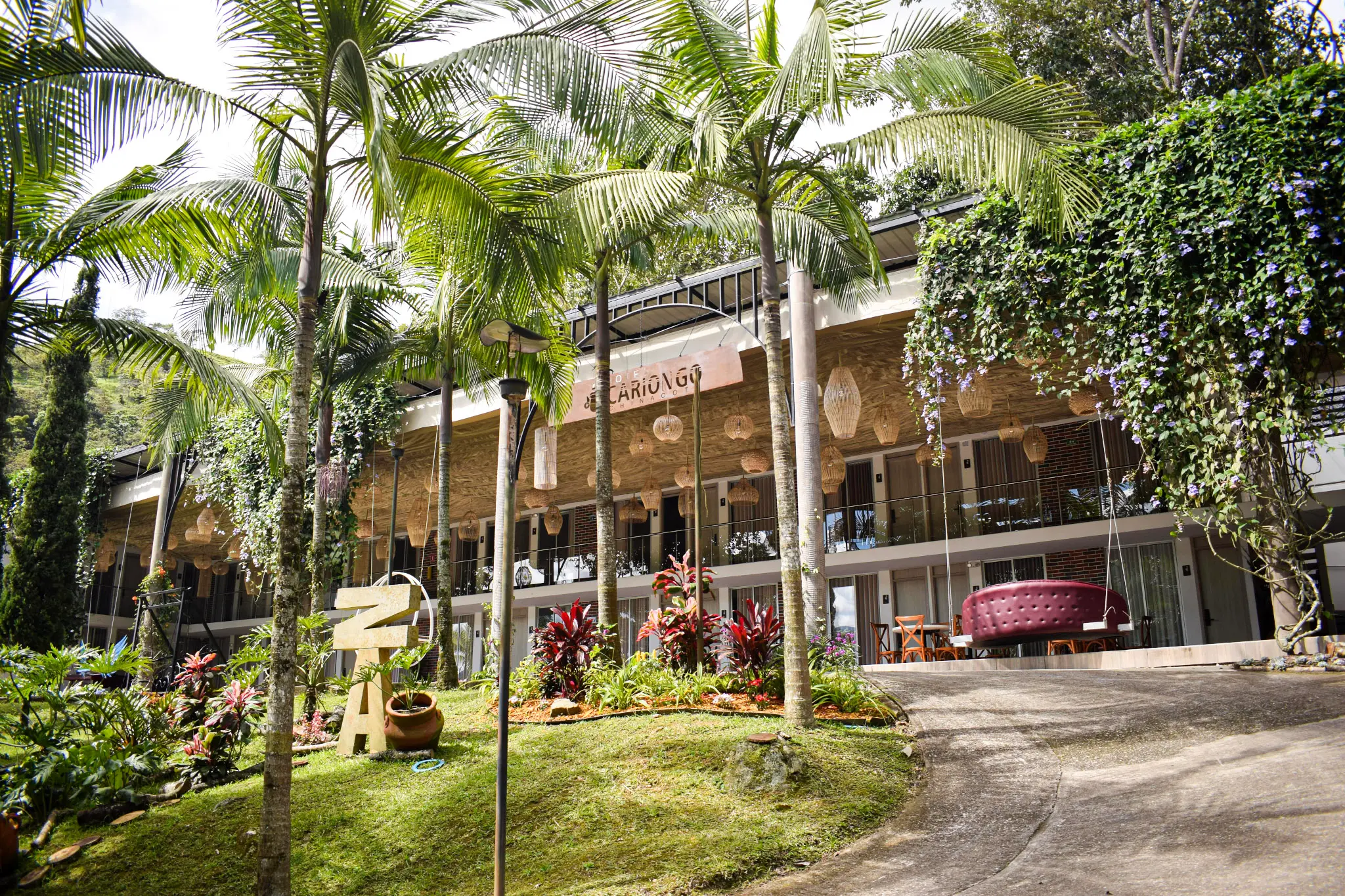
August is the time to see Norte de Santander through new eyes: experiences that go beyond the destination
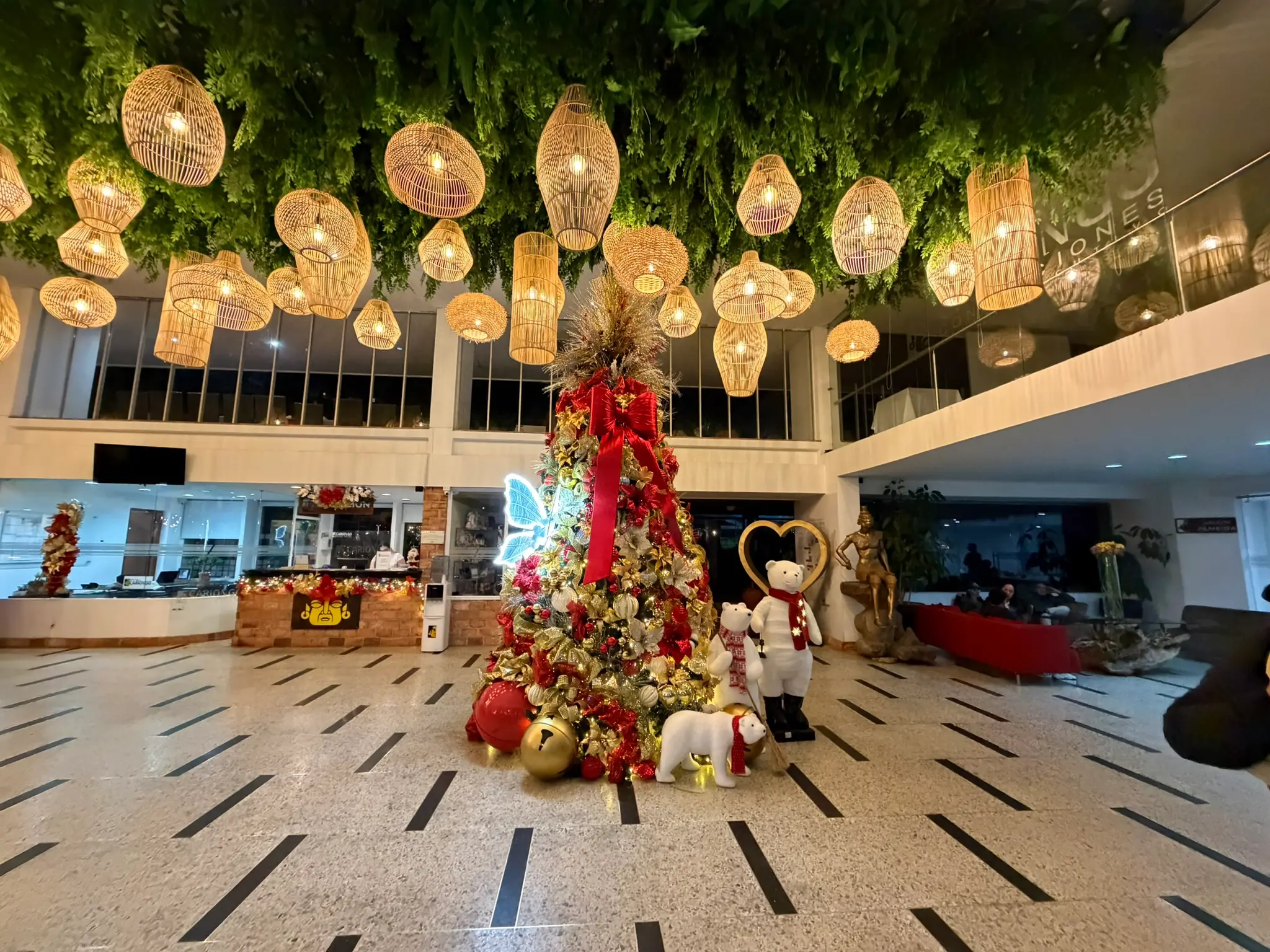
December 24: A Christmas to savor slowly amid mountains and traditions
Camilo Daza: The Visionary Who Led Norte de Santander to Conquer the Skies
ANATO COLOMBIA 2024